
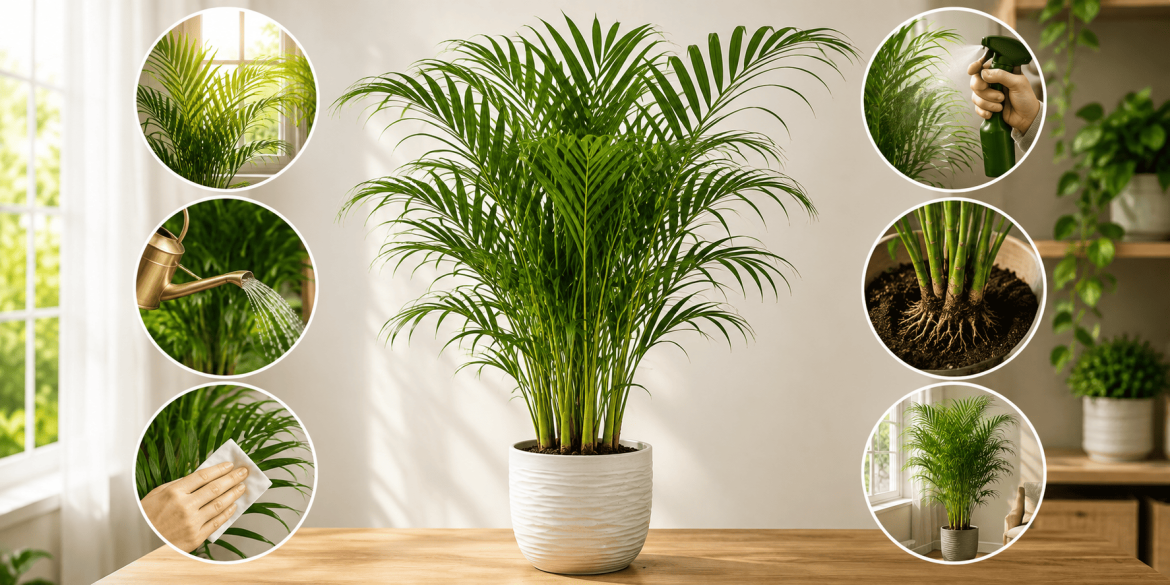
Few indoor plants tick as many boxes as the Areca Palm. It’s easy-going, stylish, and a natural air purifier that brings a slice of the tropics right into your living room. With its lush fronds that catch the light beautifully and its ability to thrive in most homes, the Areca Palm has earned its place as a favourite among houseplant lovers.
Here’s the thing: whether you’re a beginner or a seasoned plant parent, the Areca Palm is one of the most rewarding indoor plants to grow. It doesn’t demand much, it looks effortlessly elegant, and it quietly enhances your home’s air quality and energy efficiency.
Why Are Areca Palms So Popular?
The Areca Palm is one of the best indoor plants for air purification, as it efficiently absorbs carbon dioxide and releases oxygen. Studies show it can filter harmful toxins like formaldehyde and xylene, keeping your indoor air clean and fresh.
Beyond that, it makes for an amazing decor accent. Its tall, arching leaves bring a breezy, tropical feel, making it perfect for bright corners, hallways, or beside a reading chair. A mature Areca Palm can grow up to seven feet indoors, acting as a natural divider or statement piece that softens any space.
Types of Areca Palms
There are several Areca Palm varieties, but only a few are suited for indoor life. The most popular is the Dypsis lutescens, also known as the Butterfly Palm or Golden Cane Palm. It’s the ideal choice for homes and offices because it adapts well to indirect light and moderate humidity.
Other varieties, such as Areca catechu (Betel Nut Palm), are best left outdoors since they grow much taller and prefer full sun. For an indoor setting, stick to Dypsis lutescens. It’s hardy, elegant, and easy to maintain.
Now that you know which varieties thrive indoors, let’s look at where this tropical beauty really comes from.
Know the Areca Plant Better: Origins & Features
The Areca Palm originates from Madagascar and parts of South India, where it grows in warm, humid forests. Belonging to the Arecaceae family, this plant naturally forms clumps of slender stems topped with gracefully arching fronds that look like butterfly wings in motion.
Its elegance lies in its simplicity. Each stem produces soft green leaves that ripple gently with every breeze, instantly adding movement and freshness to your space. Indoors, the Areca Palm stands out without overwhelming the room, bringing a calm, tropical energy to the space.
Growing Areca Plants: What You Must Know
Areca Palms grow beautifully both indoors and outdoors, but their needs differ slightly. Outdoors, they enjoy sunlight and tropical humidity. Indoors, they thrive in bright, indirect light and prefer a stable temperature.
If you’re keeping one inside, place it near a window with filtered sunlight. Avoid placing the plant near heaters or air conditioners, as dry air can cause stress to the plant.
How to Care for Areca Palm Leaves
Getting those lush, glossy leaves is all about balance. Here’s how to keep your Areca Palm looking vibrant and healthy.
1. Proper Watering Techniques
Overwatering is the most common mistake. Too much water causes yellowing, while too little dries the leaf tips. Water only when the top inch of soil feels dry to the touch. Typically, this occurs every five to seven days in summer and approximately every ten days in winter.
2. Right Light Conditions
Keep it in bright, indirect sunlight. A spot near a curtain-filtered window works perfectly. Avoid placing it in the harsh midday sun.
3. Fertilisation Routine
Feed your Areca Palm with a balanced liquid fertiliser every two to three weeks during spring and summer. This helps maintain lush, green foliage and steady growth.
4. Humidity & Temperature Control
Areca Palms love warmth and moisture. Ideal temperatures range between 18–24°C, with moderate humidity. Mist the leaves regularly or use a water bowl nearby to maintain the right moisture levels.
5. Pruning & Leaf Care
Trim off any dry or yellow leaves to keep it tidy. Wiping the fronds with a damp cloth removes dust and helps them breathe more easily, enhancing the plant’s overall appearance.
6. Soil & Pot Selection
The Areca Palm prefers well-draining soil—a mix of peat, sand, and compost works best. Always use pots with drainage holes to avoid waterlogging.
Tips to Grow Areca Palm Faster & Healthier
- Use organic fertilisers like compost tea or seaweed extract for steady, sustainable growth.
- Repot every two to three years when roots begin crowding or peeking out of the bottom holes.
- Replace the top layer of soil annually to refresh nutrients and encourage new growth.
Areca Palm Problems & Fixes
Even the most forgiving plants need some attention. Here’s how to handle common Areca Palm issues.
- Yellowing Leaves: Usually caused by overwatering or low light. Let the soil dry slightly before watering again, and move the plant to a brighter spot.
- Brown Leaf Tips: Typically a sign of low humidity or excess salts from fertiliser. Mist the plant often and flush the soil with clean water monthly.
- Pest Infestation: Be aware of mealybugs or spider mites. A light neem oil spray keeps them under control.
- Drooping or Weak Growth: This typically indicates that the roots are struggling. Check for compacted soil and repot if needed.
Placement Guide
The Areca Palm thrives in bright corners of your home, living rooms, bedrooms, or office spaces. Avoid drafty areas or spots with harsh sunlight.
In Vaastu and Feng Shui, this plant symbolises prosperity, positivity, and balance. Placing it in the east or southeast corner of your home is believed to attract calm and good energy.
Order Areca Plants Online for Home & Gifting
An Areca Palm makes more than just a décor statement. It’s a living, breathing gift that spreads peace, freshness, and positivity. Whether you’re decorating your own home or gifting a loved one, an Areca Palm always brings warmth and charm.
With online plant stores offering quick delivery and healthy, well-nurtured plants, it’s easy to order Areca Palms online for home décor or gifting.
Bring home your Areca Palm today and let this vibrant green companion breathe life into your space. It doesn’t just decorate your home; it transforms it into a calm, fresh sanctuary you’ll love coming back to.
FAQs
Q. How often should I water my Areca Palm?
– Water your Areca Palm only when the top inch of soil feels dry. Usually, once every five to seven days in summer and once every ten days in winter works well. Overwatering is one of the main reasons Areca Palms develop yellow leaves.
Q. Does the Areca Palm need direct sunlight?
– No. The Areca Palm grows best in bright, indirect light. Too much direct sun can scorch its leaves, while too little light can make them pale or droopy. A well-lit room with filtered light is ideal.
Q. Why are the leaves on my Areca Palm turning yellow?
– Yellowing leaves are usually caused by overwatering, poor drainage, or insufficient light. Check the soil moisture, move the plant to a brighter location, and ensure the pot has proper drainage.
Q. What is the best fertiliser for an Areca Palm?
– A balanced liquid fertiliser rich in nitrogen and magnesium works best. Feed the plant every two to three weeks during spring and summer for lush, green foliage. Avoid fertilising in winter when growth slows down.
Q. How can I prevent brown tips on Areca Palm leaves?
– Brown tips are a sign of low humidity or salt build-up in the soil. Mist the leaves regularly, use distilled or filtered water instead of tap water, and occasionally flush the soil with clean water to remove excess salts.
Q. Can the Areca Palm grow indoors without sunlight?
– It can survive for a while in low light, but not thrive. The Areca Palm needs some natural light, preferably indirect sunlight, to stay healthy and green. Without it, the leaves will eventually fade and lose their vibrancy.
Q. How often should I repot an Areca Palm?
– Repot once every two to three years, or when the roots start crowding the pot. Use a slightly larger container with well-draining soil to provide the plant with sufficient space to grow.
Q. Is the Areca Palm safe for pets?
– Yes, the Areca Palm is non-toxic to cats and dogs. It’s one of the safest indoor plants for pet-friendly homes.
Q. Why is my Areca Palm drooping?
– Drooping usually indicates underwatering, poor soil drainage, or root-bound growth. Check the roots, ensure the soil isn’t too compact, and water it just enough to keep the soil moist but not soggy.
Q. Where should I place my Areca Palm indoors?
– The Areca Palm loves bright, airy corners with filtered light. Avoid placing it near air conditioners, radiators, or drafty windows. In Vaastu and Feng Shui, placing it in the east or southeast corner is said to attract positivity and balance.