
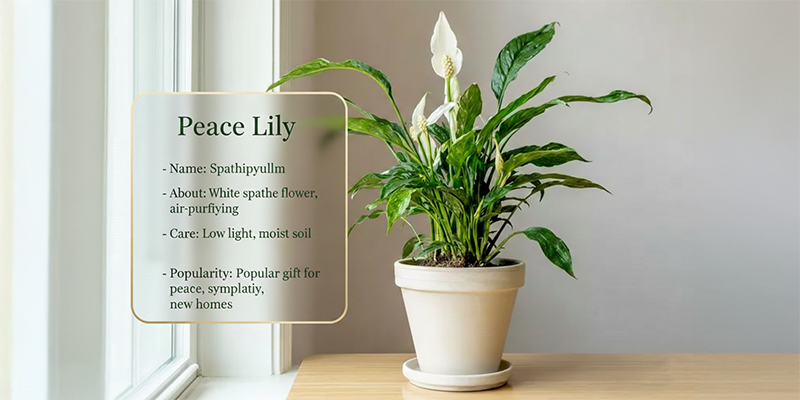
The Peace Lily (Spathiphyllum) has earned its place as one of the most beloved indoor plants worldwide. Its elegant appearance and ease of care make it a favourite choice for plant lovers, even for those new to gardening. This low-maintenance beauty flourishes indoors, offering long-lasting blooms and an air-purifying benefit, all while enhancing any space with a natural touch. Whether in homes, offices, or wellness spaces, the Peace Lily remains a symbol of peace, making it a cherished addition to any room.
Know the Peace Lily Plant Better: Origin & Significance
Native to the tropical regions of Central and South America, the Peace Lily is a symbol of positivity and harmony. It holds special significance in Feng Shui and Vaastu practices, as it is believed to enhance the flow of good energy in a space. Apart from its beauty, the plant serves as a natural air purifier, effectively reducing indoor toxins, making it a great addition to any home for both aesthetic and health benefits.
Peace Lily as Home Decor & Symbolic Plant
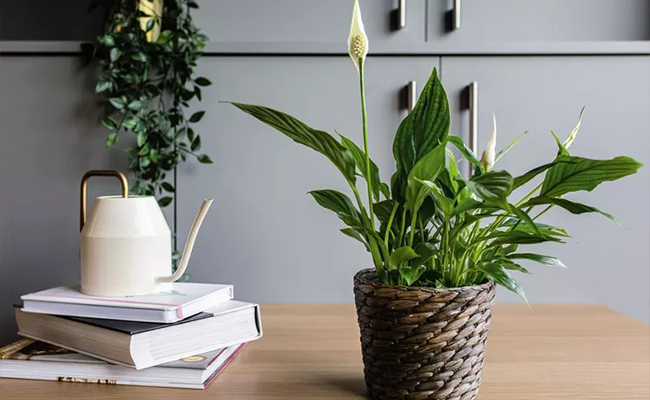
Peace Lilies are not only attractive but also carry a deep symbolic meaning. Their clean, minimalistic look complements modern interiors, enhancing the atmosphere with a touch of elegance. This plant is known to symbolise peace, purity, prosperity, and harmony, making it an ideal choice for any space. Whether used as a housewarming gift, an office décor piece, or a token for wellness and good vibes, the Peace Lily is truly a versatile and meaningful plant.
Types of Peace Lily Plants
• Mini Peace Lily: A compact version, perfect for small spaces.
• Medium Peace Lily: Ideal for those who want a balanced size with manageable growth.
• Large Peace Lily: Makes a bold statement and works well in spacious areas.
• Indoor Peace Lily vs Outdoor Placement: While Peace Lilies thrive indoors, they can also adapt to shaded outdoor spots during warmer months.
What Makes Peace Lily Plants Special?
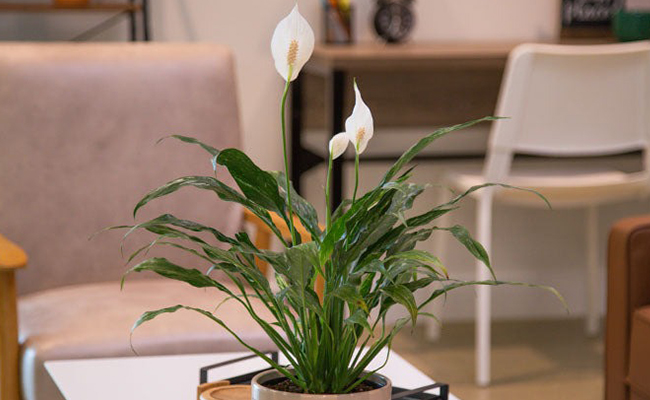
• Low-maintenance indoor flowering plant: Requires minimal care, making it ideal for beginners.
• Thrives well in low to medium light: A perfect indoor companion, even in spaces with limited natural light.
• Improves indoor air quality: Known for its ability to purify the air.
• Long-lasting blooms: With proper care, Peace Lilies can bloom year-round.
• Auspicious and calming: Its peaceful nature brings a sense of tranquillity to any room.
Growing Peace Lily Plants: What You Should Know
• Choosing the right pot size with drainage: Ensure the pot is slightly larger than the root ball with proper drainage to avoid root rot.
• Best soil mix for Peace Lily growth: Use a well-draining, light, and loamy soil mix for optimal growth.
• Ideal indoor temperature & humidity levels: Peace Lilies thrive in temperatures between 18-24°C and prefer a humid environment.
• Suitable for beginners and first-time plant parents: Its forgiving nature makes it easy to grow, even for those just starting with plants.
How to Take Care of a Peace Lily Plant
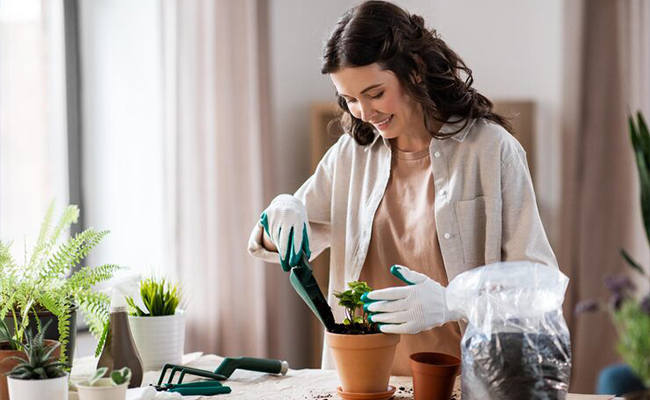
• Light: Bright, indirect sunlight is best for growth.
• Water: Water when the topsoil feels dry, and avoid overwatering.
• Fertilizer: Feed lightly during the growing season (spring and summer) with a balanced liquid fertiliser.
• Pruning: Trim yellow or damaged leaves to encourage new growth.
• Repotting: Refresh the soil every 1–2 years to maintain healthy growth.
Tips for Healthy Peace Lily Growth
• Wipe leaves regularly: This helps improve photosynthesis and prevents dust accumulation.
• Maintain humidity: Regular misting or a humidifier will help encourage better flowering.
• Rotate plant for balanced growth: Rotate the plant periodically for even exposure to light.
• Avoid direct sunlight exposure: Peace Lilies do best with indirect light, so direct sunlight can scorch the leaves.
Common Peace Lily Problems & Solutions
• Yellow leaves: Often a sign of watering imbalance, either too much or too little.
• Drooping leaves: Can be caused by thirst or root stress. Check for underwatering or root-bound conditions.
• Brown tips: This usually happens due to low humidity or excess fertiliser.
• Pest issues: Treat with simple organic pest control solutions such as neem oil or insecticidal soap.
• No flowers: Often caused by insufficient light or lack of nutrients. Move to a brighter spot and feed regularly.
Best Placement for Peace Lily at Home
• Ideal spots for indoor Peace Lily plants: Place them in bright, indirect light locations such as near windows or under skylights.
• Balcony & semi-outdoor placement tips: In shaded outdoor spots, Peace Lilies can thrive during warmer months.
• Vaastu & Feng Shui benefits of placing Peace Lily: According to these practices, placing a Peace Lily in the living room or entrance can enhance positive energy.
• Recommended rooms: Living rooms, bedrooms, and office desks are perfect spots for Peace Lilies to flourish.
Order Peace Lily Plants Online for Home & Gifting
• Why Peace Lily makes a thoughtful green gift: Its symbolic meaning of peace, harmony, and purity makes it an ideal gift for any occasion.
• Suitable for birthdays, housewarmings & corporate gifting: A perfect gift for celebrating new beginnings.
• Online plant delivery with healthy, well-packed plants: Ensure you receive your Peace Lily in the best condition for thriving growth.
• Easy way to bring greenery into modern homes: Ordering online is a convenient way to introduce nature into your home.
FAQs About Peace Lily Plants
Q. How often should I water a Peace Lily plant?
Water when the topsoil feels dry, typically once a week.
Q. Can Peace Lily survive indoors without sunlight?
It can survive with low light, but it will bloom better with indirect sunlight.
Q. What is the best fertiliser for Peace Lily?
Use a balanced, water-soluble fertiliser every 6-8 weeks during the growing season.