

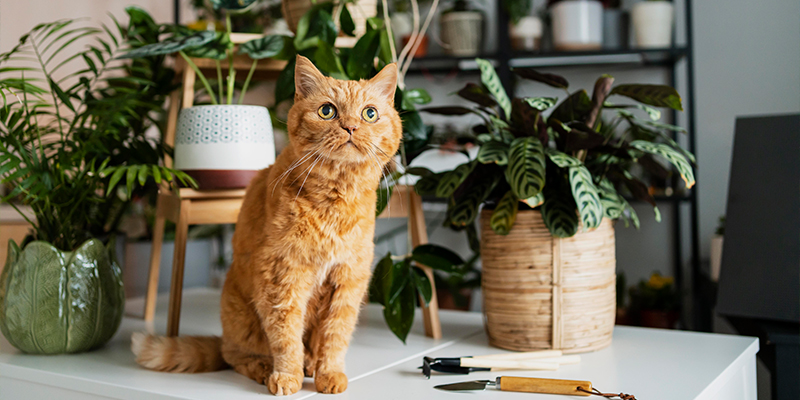
Bringing greenery into your home is a simple way to make your space feel fresher, calmer and more welcoming. But if you share your home with a curious cat or a playful dog, choosing the right plants becomes especially important. Pets often explore their surroundings with their noses and mouths, which means some common houseplants can pose a risk if chewed or swallowed.
The good news is that you do not have to choose between a beautiful indoor garden and a pet-safe home. There are plenty of pet friendly indoor plants that can add colour and character to your rooms while being considered non-toxic to cats and dogs.
Table of Contents
Why Choose Pet-Safe Plants?
Not every popular houseplant is suitable for homes with pets. Plants such as lilies, sago palms, pothos and dieffenbachia can cause health problems if consumed by pets. Even plants that are considered safe may cause mild stomach upset if eaten in large quantities.
Selecting indoor plants safe for pets can therefore give you greater peace of mind, particularly if your pet likes to nibble leaves or investigate new things around the house.
It is still important to remember that “non-toxic” does not necessarily mean edible. Pets should not be encouraged to chew on houseplants, and individual animals can react differently to plants. Keeping plants out of reach where possible is always a sensible precaution.
Spider Plant
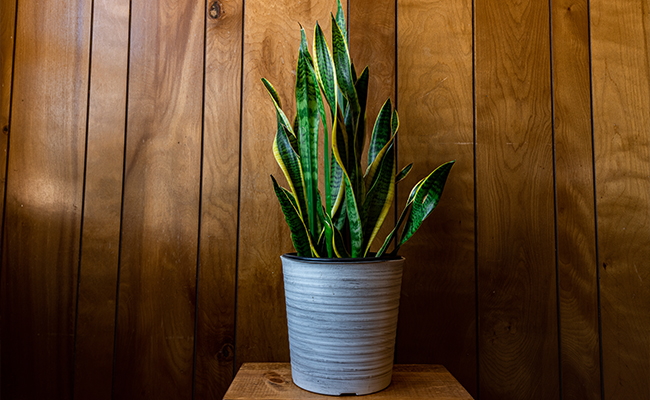
Spider plants are among the easiest houseplants to grow, making them a great option for beginners. Their long, arching green-and-white leaves bring a soft, fresh look to shelves, desks and hanging planters.
They can adapt to indoor conditions and generally prefer bright, indirect light. Spider plants are also considered non-toxic to cats and dogs, although eating too much of the plant can still cause mild digestive discomfort in some pets.
Boston Fern
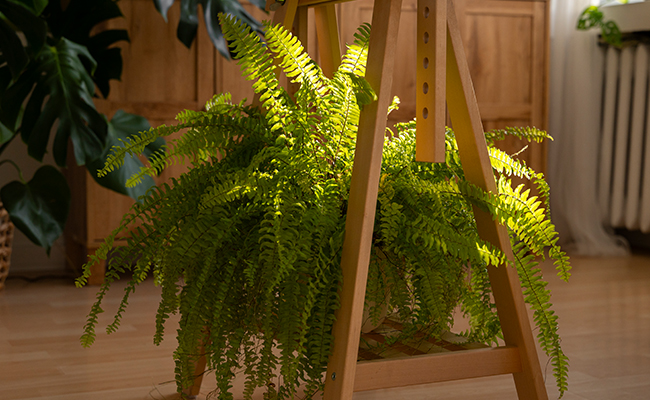
If you want something lush and leafy, a Boston fern can make a lovely addition to your home. Its feathery fronds create a fuller appearance and work particularly well in hanging baskets.
Boston ferns generally prefer indirect light and higher humidity. Keep their soil consistently moist without allowing the plant to sit in stagnant water. They are considered non-toxic to cats and dogs, making them a popular choice for pet-owning households.
Areca Palm
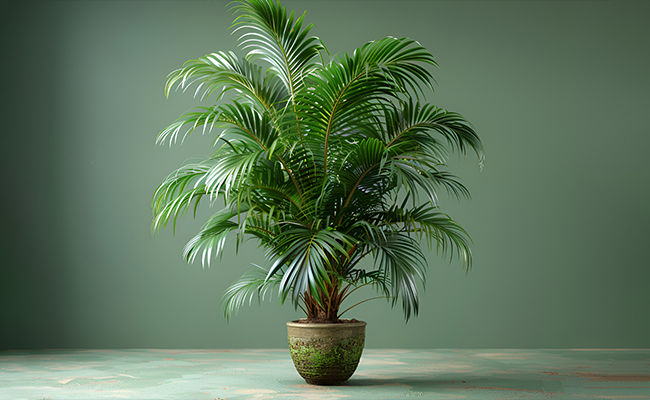
An areca palm can instantly give an indoor space a tropical appearance. Its slender stems and graceful green leaves look beautiful in living rooms, bedrooms and larger entryways.
Areca palms prefer bright, indirect sunlight and regular watering when the top layer of soil begins to dry. They are also considered non-toxic to cats and dogs. Because the plant can grow quite large, place it somewhere with enough room for its leaves to spread comfortably.
Parlor Palm
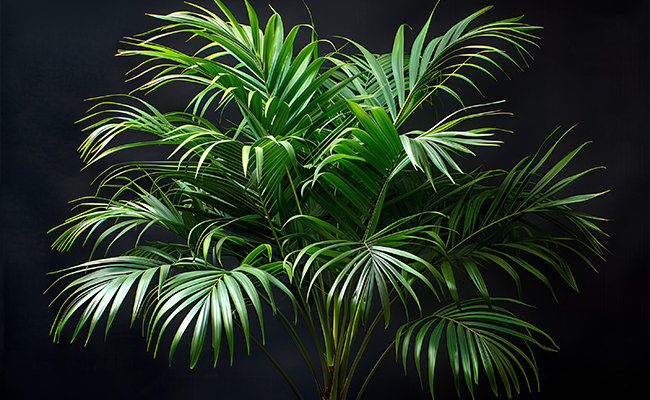
For smaller homes and apartments, the parlor palm is worth considering. It has elegant, delicate foliage and does not require intense sunlight, making it suitable for many indoor spaces.
Place it in bright, indirect light or moderate filtered light and avoid overwatering. Like the areca palm, the parlor palm is considered non-toxic to cats and dogs.
Calathea
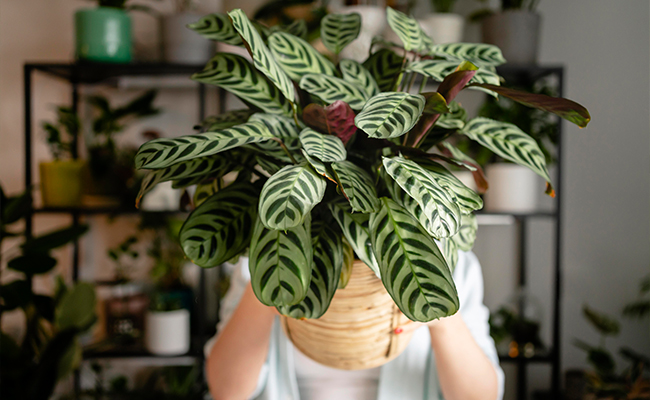
Known for its striking foliage, calathea can bring plenty of visual interest without relying on flowers. Different varieties feature beautiful patterns, stripes and contrasting shades across their leaves.
Calatheas generally prefer indirect light and slightly humid surroundings. They can be a good choice for adding personality to bedrooms, living rooms or workspaces while keeping pet safety in mind.
Peperomia
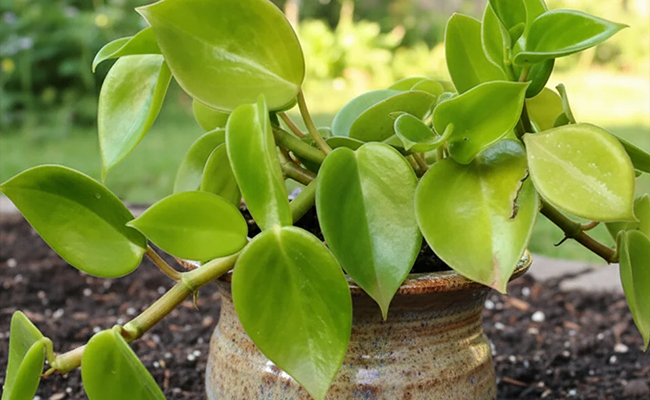
Peperomia plants are compact, attractive and available in several leaf shapes and colours. Their relatively small size makes them particularly useful for desks, shelves and side tables.
They generally prefer bright, indirect light and should be watered only when the soil has started to dry. Peperomias are considered non-toxic to cats and dogs and can work well in homes where floor space is limited.
Creating a Safe Indoor Plant Corner
Choosing the right plant is only one part of creating a pet-friendly home. Consider placing plants on stable shelves, plant stands or hanging planters if your pet tends to chew leaves. Avoid using fertilisers, pesticides or other plant treatments where your pet could accidentally access them.
It is also useful to check every new plant before bringing it home. Plant names can sometimes vary between nurseries and regions, so confirming the botanical name and checking a reliable veterinary or plant-safety source can help you make a more informed choice.
For households looking for safe indoor plants for cats and dogs, spider plants, Boston ferns, areca palms, parlor palms, calatheas and peperomias are among the options worth exploring.
A Greener Home for You and Your Pet
Indoor plants can transform an ordinary corner into a lively and inviting space. With a little planning, you can enjoy greenery without unnecessarily exposing your furry companions to potentially harmful plants.
Choose varieties suited to your home’s light, humidity and available space, and always consider your pet’s habits before deciding where to place them. A thoughtful combination of suitable plants and sensible placement can help you create a home that feels greener, fresher and comfortable for every member of the family.
