
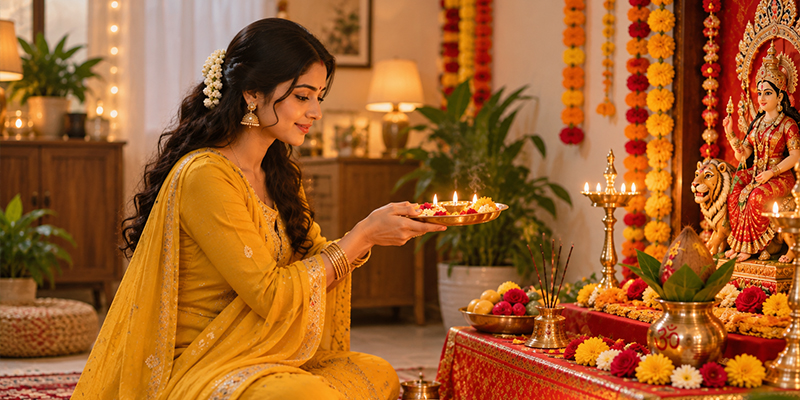
Sharad Navratri is one of the most sacred and widely celebrated Hindu festivals, devoted to Maa Durga and her divine forms. For nine nights, devotees pray, observe fasts, perform puja, visit temples and take part in traditions that vary beautifully across India.
Another much-loved part of the celebration is following the Navratri colours assigned to each day. Many devotees choose clothes, flowers or festive décor in the colour of the day as a joyful way to participate in the occasion.
If you are already planning for the festival, this Sharad Navratri Colours 2026 guide gives you the complete day-wise list, dates, meanings and simple ideas for using each shade during the festivities.
Table of Contents
When is Sharad Navratri 2026?
In 2026, Sharad Navratri begins on Sunday, 11 October 2026 with Ghatasthapana. The nine-day colour observance continues until Monday, 19 October 2026, followed by Vijayadashami or Dussehra on Tuesday, 20 October 2026.
The widely followed Navratri 9 days colours for 2026 are:
| Navratri Day | Date | Colour |
| Day 1 | 11 October 2026 | Orange |
| Day 2 | 12 October 2026 | White |
| Day 3 | 13 October 2026 | Red |
| Day 4 | 14 October 2026 | Royal Blue |
| Day 5 | 15 October 2026 | Yellow |
| Day 6 | 16 October 2026 | Green |
| Day 7 | 17 October 2026 | Grey |
| Day 8 | 18 October 2026 | Purple |
| Day 9 | 19 October 2026 | Peacock Green |
Navratri Colours 2026 Day Wise With Meaning
Day 1: Orange
Date: Sunday, 11 October 2026
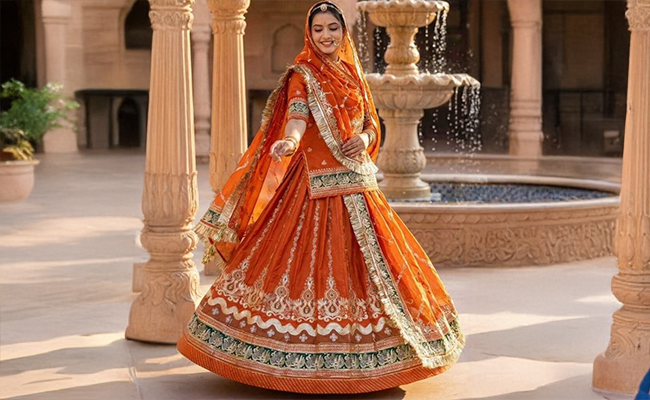
Sharad Navratri begins with orange, a colour associated with warmth, enthusiasm and positive energy. The first day traditionally begins with Ghatasthapana and worship of Maa Shailputri.
You can wear an orange saree, kurta or suit, or simply add orange through flowers such as marigolds around your home mandir. Keep the focus on a clean and peaceful space for the beginning of the nine-day worship.
Day 2: White
Date: Monday, 12 October 2026
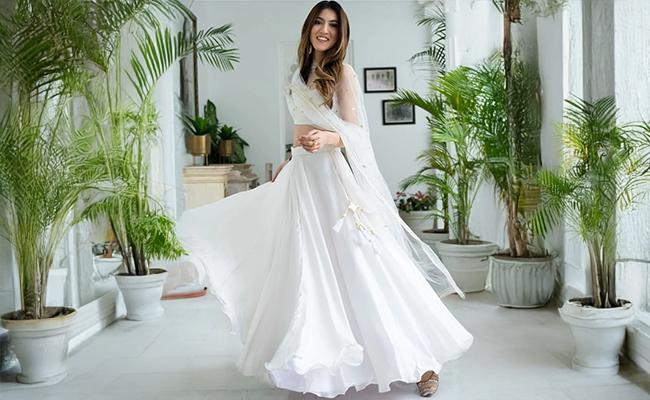
The Navratri colour for Day 2 is white, representing purity, peace and simplicity. The second day is associated with Maa Brahmacharini, who symbolises devotion, penance and spiritual discipline.
White clothes are a graceful choice for the day. Jasmine, mogra or other white flowers can also be offered or used respectfully around the puja space.
Day 3: Red
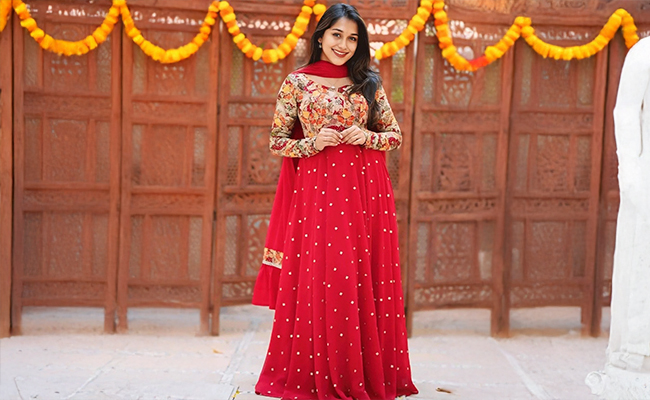
Date: Tuesday, 13 October 2026
Red is one of the colours most closely connected with Devi worship. It represents strength, passion, vitality and auspiciousness. Day 3 traditionally honours Maa Chandraghanta.
Devotees can wear red or incorporate the shade through a chunri, flowers or rangoli. Kumkum, which already holds an important place in many Hindu rituals, naturally complements the colour of the day.
Day 4: Royal Blue
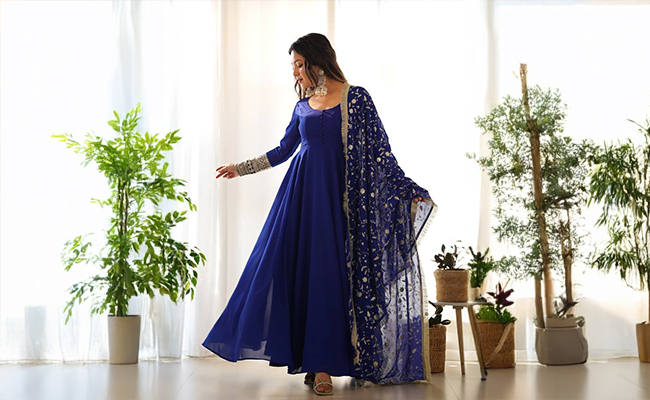
Date: Wednesday, 14 October 2026
Day 4 brings royal blue, a colour associated with tranquillity, depth and elegance. Maa Kushmanda is traditionally worshipped on this stage of the Navadurga sequence.
A royal blue outfit can be an easy way to follow the day’s colour. If you prefer subtle festive décor, use a blue cloth or small decorative accents while allowing the diya, flowers and puja essentials to remain the focus.
Day 5: Yellow
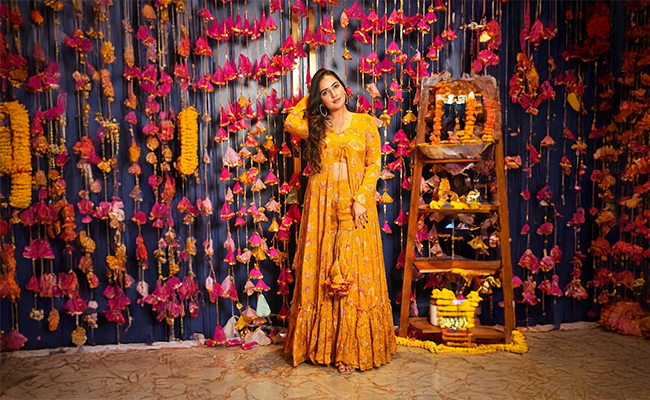
Date: Thursday, 15 October 2026
Bright and cheerful, yellow represents optimism, joy and positive energy. Day 5 is traditionally associated with Maa Skandamata, the motherly form of the Goddess.
Yellow marigolds are particularly suitable for festive decoration. You can also choose a yellow kurta, saree or dupatta for your prayers and family celebrations.
Day 6: Green
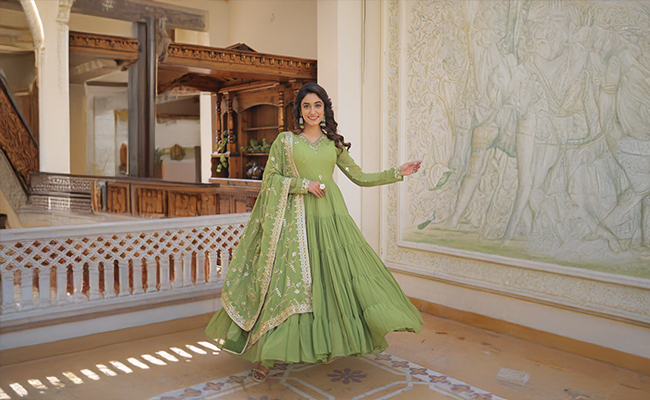
Date: Friday, 16 October 2026
The sixth Navratri colour is green, representing nature, growth, harmony and new beginnings. Maa Katyayani is traditionally worshipped on this day.
Fresh leaves, traditional torans and green clothing can bring the colour naturally into your celebration. Keep decorations respectful and avoid placing decorative items where they may interfere with the puja setup.
Day 7: Grey
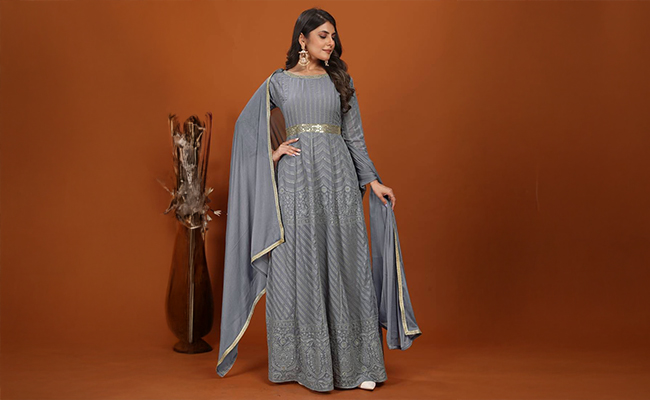
Date: Saturday, 17 October 2026
Grey may seem unusual for a festival, yet its calm character represents balance and groundedness. Day 7 is traditionally linked with Maa Kalaratri, one of the fiercest forms of Maa Durga.
You can wear grey clothing or combine it with traditional jewellery and festive accessories. There is no need to change the appearance of sacred offerings simply to match the colour theme.
Day 8: Purple
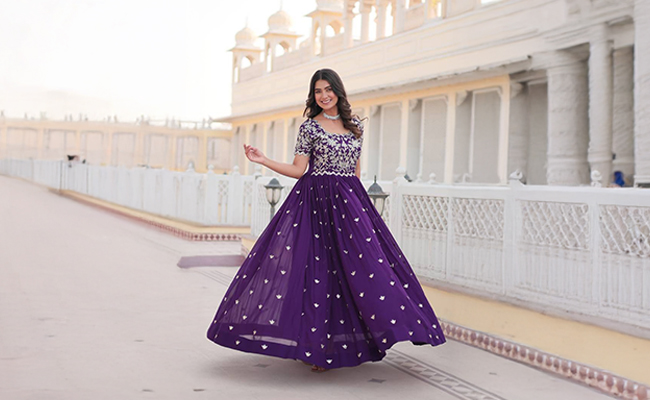
Date: Sunday, 18 October 2026
Purple represents grandeur, dignity and richness. It brings a festive feel to the eighth day of the colour calendar.
For many families, the final days of Navratri carry special significance, with practices such as Durga Ashtami, Sandhi Puja or Kanya Pujan observed according to family tradition, regional custom and the applicable tithi. In the 2026 calendar, the tithi arrangement is unusual, so religious observances should be followed according to the local Panchang rather than assuming that every civil date directly matches its day number.
Day 9: Peacock Green
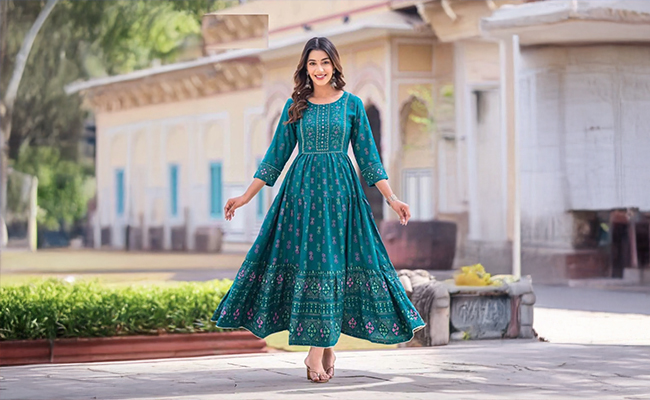
Date: Monday, 19 October 2026
The final colour in the Navratri colours 2026 list is peacock green. The shade represents individuality, beauty and freshness.
Peacock green attire, rangoli details or simple decorative fabrics can complete the nine-colour celebration. According to the 2026 Panchang, Durga Ashtami, Mahagauri Puja and Sandhi Puja fall on 19 October in many Indian locations because of the tithi progression that year.
Why Do We Wear Different Colours During Navratri?
The tradition of wearing a particular colour each day has become a popular part of Navratri celebrations, especially in communities where groups coordinate clothes for puja, Garba, Dandiya and social gatherings.
The colour sequence is linked to the weekday on which Navratri begins, which is why the list can change from one year to another. Since Sharad Navratri 2026 begins on a Sunday, the sequence starts with orange.
It is important to remember that wearing these colours is a festive tradition rather than a compulsory part of Navratri worship. Devotion, prayer and respect for Maa Durga remain at the heart of the festival.
How to Follow Navratri Colours Respectfully
Following the nine colours of Navratri does not require buying a new outfit every day. A dupatta, scarf, flower, accessory or small décor element in the day’s shade is enough if you wish to participate.
More importantly, keep the religious purpose of Navratri at the centre. Maintain cleanliness around the puja space, prepare offerings according to your family tradition, treat prasad respectfully and follow fasting practices according to your health and customary beliefs.
Rituals can differ between families and regions, so traditions passed down within your household should take priority over social-media colour charts.
Celebrate the Nine Days With Devotion and Colour
The Sharad Navratri colours 2026 add a beautiful visual rhythm to nine days dedicated to Maa Durga. From energetic orange on the first day to distinctive peacock green on the ninth, every shade gives devotees another way to participate in the festive spirit.
Still, the heart of Sharad Navratri lies in prayer, discipline, gratitude and devotion. Let the colours add joy to the celebration while the blessings and teachings associated with Maa Durga remain its true centre.
