

India’s changing seasons bring a remarkable variety of flowers into bloom throughout the year. And every month has its own floral character.
However, flowering periods in India are not the same everywhere. Temperature, rainfall, altitude and local growing conditions can shift blooming seasons by several weeks. A flower that appears in February in northern India may bloom earlier in a warmer southern city.
Still, understanding the broad calendar of seasonal flowers in India can help gardeners, flower lovers and buyers know what to expect throughout the year. Here is a month-by-month look at some of the blooms that define India’s floral seasons.
Table of Contents
January Month Flowers
January is one of the finest months for flowering gardens across many parts of northern and central India. Cooler temperatures allow several colourful annuals to flourish for longer without heat stress.
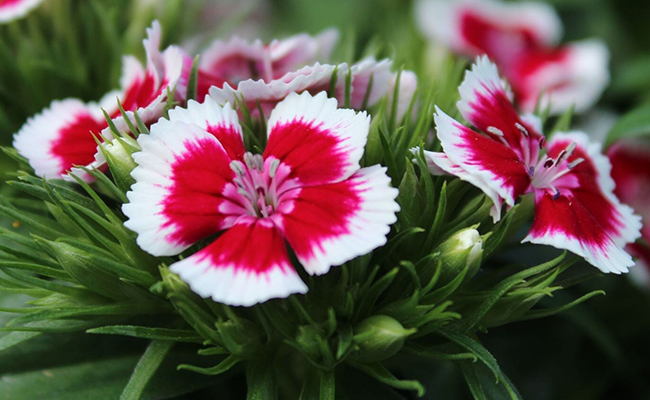
Flowers commonly seen in January:
- Petunia
- Pansy
- Dianthus
- Calendula
- Snapdragon
- Sweet Alyssum
- Phlox
- Marigold
Petunias are especially popular during this period because of their trumpet-shaped blooms and wide range of shades. Calendula and marigolds also bring warmth to winter landscapes.
Many winter flowers in India reach their best form during January, making it an excellent month for balconies, lawns, parks and seasonal flower beds.
February Month Flowers
February continues the winter floral display, but the gradually rising temperature also signals the approach of spring.
Dahlias are one of the major attractions during this month. Their dramatic blooms range from small pompon-like forms to large decorative varieties. Roses also perform beautifully in many regions during February.
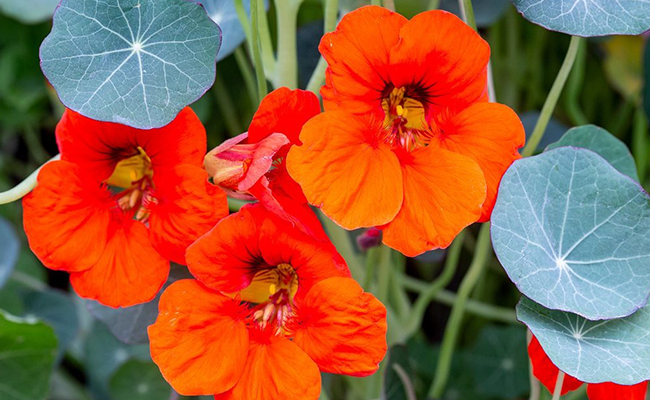
Flowers commonly seen in February:
- Gazania
- Aster
- Salvia
- Stock
- Nasturtium
- Verbena
- Antirrhinum
The pleasant weather often allows flowers to stay fresh for longer, which is one reason flower shows and garden exhibitions are commonly held around this time. For gardeners exploring winter flowers in India, February offers plenty of variety before warmer temperatures begin to take over.
March Month Flowers
March acts as a bridge between winter and summer. Flowers such as roses, dianthus, verbena and phlox may still be seen in gardens. At the same time, bougainvillaea starts becoming more prominent as sunlight intensifies.
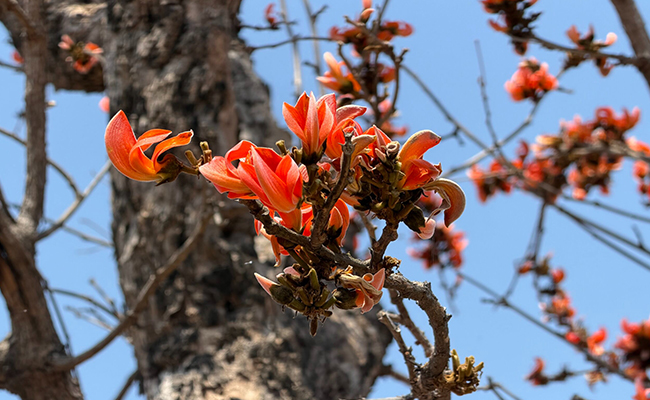
March is also a good month to notice flowering trees. Depending on the region, trees such as silk cotton and palash begin producing vivid blossoms.
Palash is particularly striking. Often called the Flame of the Forest, its bright flowers can transform otherwise dry-looking landscapes. This transitional phase adds another layer of diversity to seasonal flowers in India, as cool-season and warm-season varieties briefly overlap.
April Month Flowers
April brings a clear change in India’s floral calendar. Winter annuals begin fading in hotter regions, while heat-loving plants start taking centre stage.
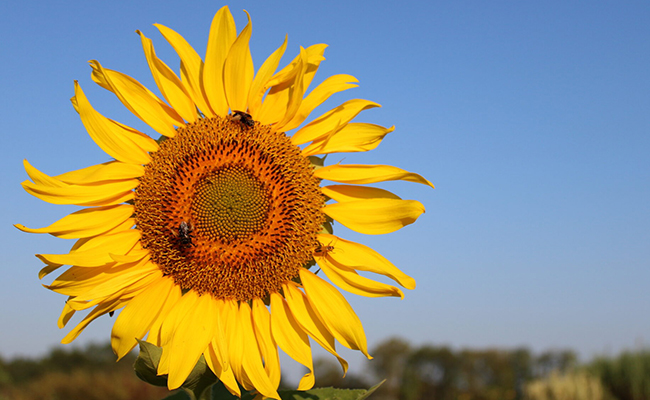
Flowers commonly seen in April:
- Bougainvillea
- Hibiscus
- Jasmine
- Sunflower
- Zinnia
- Portulaca
- Cosmos
Bougainvillaea thrives particularly well under strong sunlight. Its colourful papery bracts can remain attractive even when temperatures rise sharply.
Jasmine also becomes more noticeable during the warmer months. Its fragrance has made it an important flower in Indian homes, gardens, religious traditions and personal adornment. Several summer flowers in India begin their most active blooming period in April, especially in regions where temperatures climb early.
May Month Flowers
May can be extremely hot across much of India, so delicate seasonal plants often struggle. This is the time when hardy summer flowers in India show their strength.
Portulaca, also known as moss rose, is one of the most reliable choices for hot, sunny conditions. Its low-growing habit and bright blooms make it suitable for pots, borders and rock gardens.
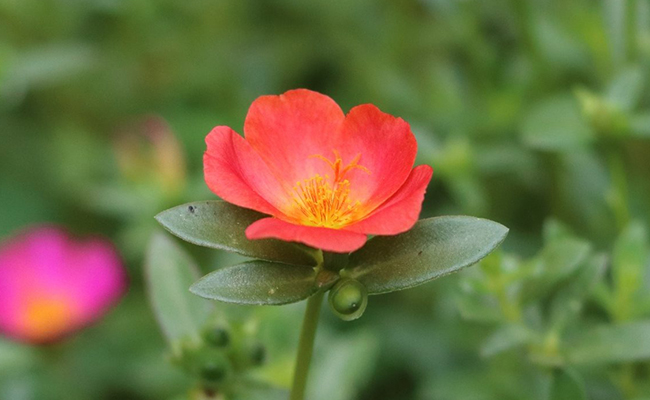
Flowers commonly seen in May:
- Zinnia
- Sunflower
- Hibiscus
- Bougainvillea
- Gomphrena
- Gaillardia
- Vinca
Vinca, commonly called periwinkle, is particularly useful in Indian gardens because it tolerates both heat and periods of limited watering.
June Month Flowers
June brings intense heat to some regions and the first major monsoon showers to others. Plants that have endured the dry summer often respond quickly once moisture levels rise.
Hibiscus continues blooming strongly, while jasmine remains fragrant and plentiful. Rain lilies may suddenly appear after rainfall, sometimes producing flowers within days of a good shower.
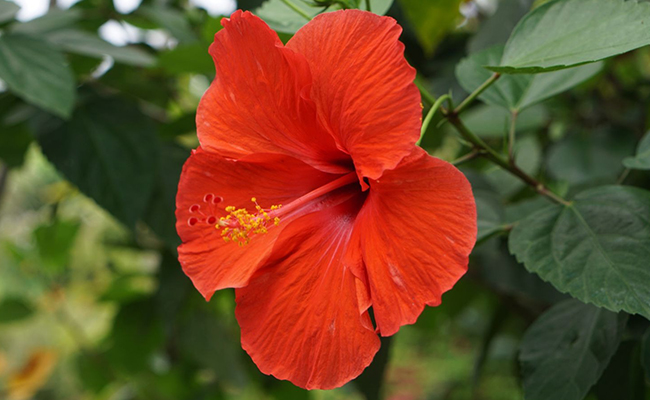
June is also associated with flowering trees such as Gulmohar. With its broad canopy and fiery clusters of flowers, gulmohar becomes one of the most recognisable sights of the Indian summer.
July Month Flowers
July is dominated by rainfall across large parts of the country. Gardens become greener, and a new set of flowers begins flourishing in the moist conditions.
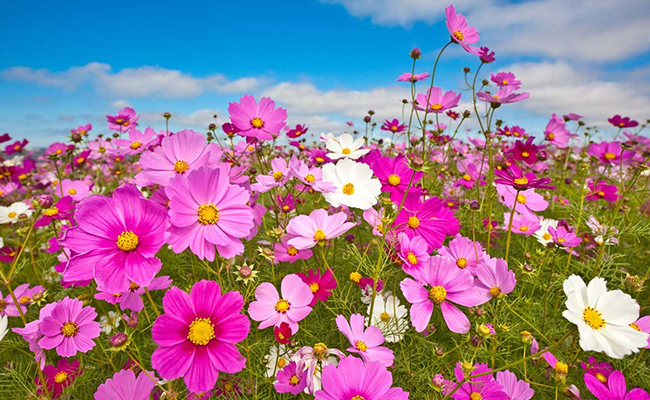
Flowers commonly seen in July:
- Balsam
- Rain Lily
- Celosia
- Cosmos
- Vinca
- Hibiscus
Balsam grows particularly well during humid and rainy weather. Its lush foliage and cheerful flowers make it a common seasonal choice. Rain lilies are another monsoon favourite. Their sudden appearance after rainfall gives gardens a refreshing burst of colour.
August Month Flowers
By August, monsoon growth is usually well established. Plants grow rapidly due to the combination of warmth, moisture and high humidity.
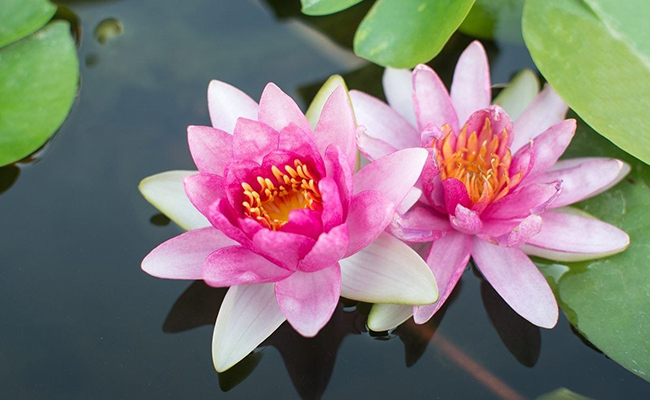
Balsam, celosia and vinca continue performing well. Hibiscus plants also remain active, producing large flowers that stand out against dense green foliage.
Lotus and water lilies can also flourish during the rainy season where suitable ponds and water bodies are available.
August gardens often look less formally arranged than winter gardens, but their dense foliage and tropical flowers give them a rich, natural character.
September Month Flowers
September marks another transition. Rainfall begins reducing in many regions, while temperatures slowly become more comfortable.
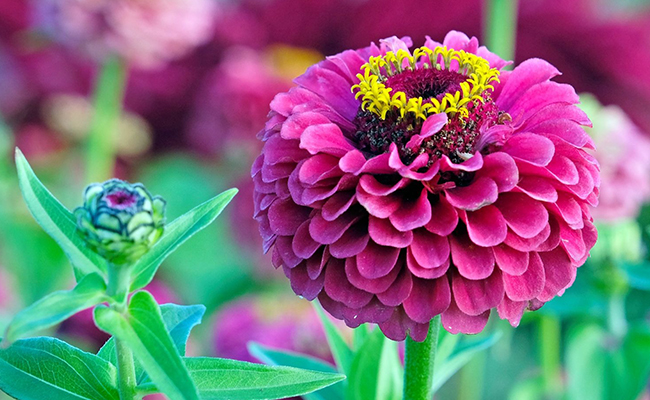
Flowers such as cosmos and zinnia remain visible. For anyone planning ahead for winter flowers in India, September is a useful month for preparing beds, buying seeds and checking local nursery stock.
Marigolds also become increasingly important at this time. Their long flowering period and cultural importance make them one of the most widely recognised seasonal flowers in the country.
October Month Flowers
October is strongly associated with festive flowers in India. Marigolds are especially prominent because they are widely used in garlands, decorations, religious ceremonies and festive arrangements.
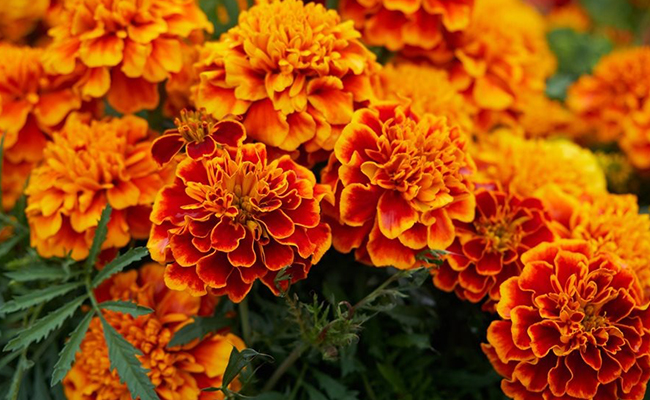
Flowers commonly seen in October:
- Chrysanthemum
- Rose
- Celosia
- Cosmos
- Early-season Petunia
Chrysanthemums begin becoming more noticeable as temperatures fall. Their dense blooms and wide variety of forms make them a favourite for home gardens and flower exhibitions. October is also an important planting period for many winter flowers in India, especially in northern areas where cooler nights arrive earlier.
November Month Flowers
November brings comfortable weather to many parts of India, allowing cool-season flowers to establish themselves properly.
Chrysanthemums become one of the standout flowers of the month. Depending on the variety, they may produce compact button-like flowers or large decorative blooms.
Roses also respond well to cooler weather, while early petunias, calendulas and dianthus begin adding colour to gardens.
For anyone planning a seasonal garden, November is one of the most rewarding months because a large number of winter plants begin flowering together.
December Month Flowers
December brings the return of some of the most loved winter flowers in India. Cooler days and lower humidity create ideal conditions for many annual flowering plants.
Flowers commonly seen in December:
- Petunia
- Pansy
- Dahlia
- Calendula
- Dianthus
- Snapdragon
- Sweet Pea
- Phlox
Pansies are especially suited to cooler temperatures and are valued for their distinctive patterned petals. Sweet peas add both colour and fragrance, while snapdragons bring height to winter flower beds.
In warmer parts of southern and coastal India, flowering cycles may differ, but many of these varieties can still be grown under suitable conditions.
Why Seasonal Flowers Matter
Seasonal flowers generally grow best when their natural temperature, sunlight and moisture requirements match the surrounding climate. This can mean healthier plants, stronger blooms and easier maintenance.
Seasonality also shapes the flowers seen in local markets, festivals, gardens and landscapes. Choosing flowers according to the season can also make gardening more practical. Instead of forcing a plant to survive unsuitable conditions, gardeners can work with the natural growing cycle.
Wrapping Up
The incredible variety of seasonal flowers in India means there is almost always something coming into bloom. Winter brings polished flower beds, summer belongs to hardy plants, Monsoon rains revive the landscape with lush tropical growth.
The exact calendar will always vary slightly from one region to another, but that is part of what makes India’s floral landscape so fascinating. Every change in season introduces a fresh set of colours, fragrances and flowering patterns, giving gardens and natural spaces a new identity throughout the year.
