

The first thing you notice during Diwali is the glow. Diyas flicker. Rangoli colours burst across the floor. And everywhere you look, strings of bright orange and yellow marigolds frame doors, balconies and temple idols. During Ganesh Chaturthi, they wrap around pandals. At weddings, they drape mandaps like golden sunlight brought indoors.
Marigolds seem to appear at every sacred gathering, every joyful milestone, every festive morning. They hang outside homes, circle deities in temples and sway gently in wedding decor.
But have you ever wondered why marigolds dominate almost every Indian festival?
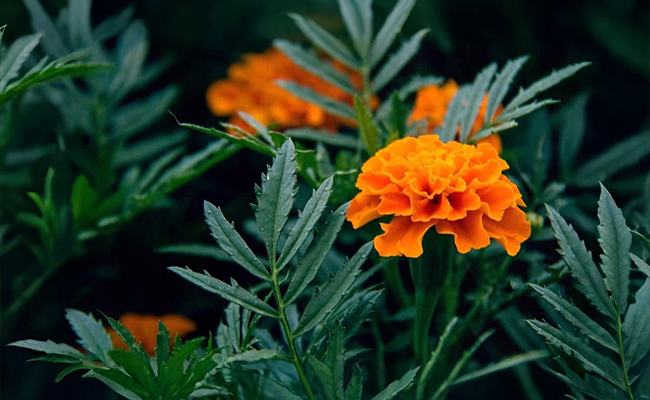
Let’s uncover the cultural, spiritual, and even scientific reasons behind this golden bloom’s powerful presence.
Table of Contents
The Cultural Significance of Marigolds in India
To understand the significance of marigold flowers in India, you have to look at how deeply they are woven into everyday rituals and grand celebrations alike.
Marigolds mark beginnings. They are strung at the entrance during Diwali to invite prosperity. They decorate Ganesh idols to symbolise auspicious starts. During Navratri, they add colour to devotional spaces. At weddings, they frame sacred vows.
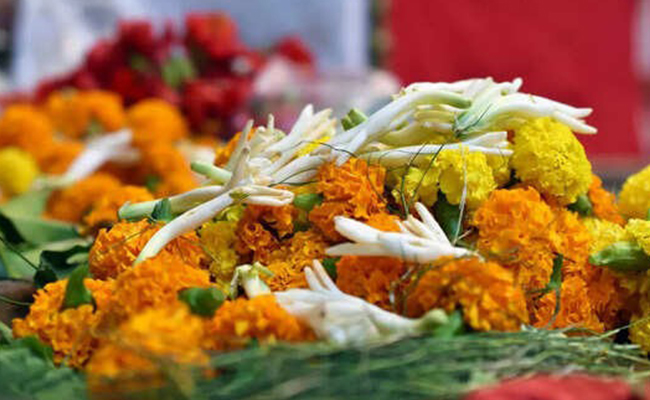
The Cultural importance of marigold lies in this constant presence at moments that matter. In Indian homes, a marigold garland is often the first decoration brought in before any major ceremony. It signals positivity, abundance and good fortune.
Over time, the marigold in Indian culture has come to represent joy that feels familiar and deeply rooted.
Related Post – How Flower Gifting Shapes Social & Cultural Celebrations in Bangalore
Spiritual & Religious Symbolism of Marigolds
Beyond decor, marigolds hold profound religious value. Their use is not accidental. It reflects faith, belief and symbolism passed down generations.
Many people ask about the meaning of the marigold flower in Hinduism. At its core, it represents surrender, devotion and purity of intention. The flower’s strong fragrance and vibrant colour are seen as worthy offerings to the divine.
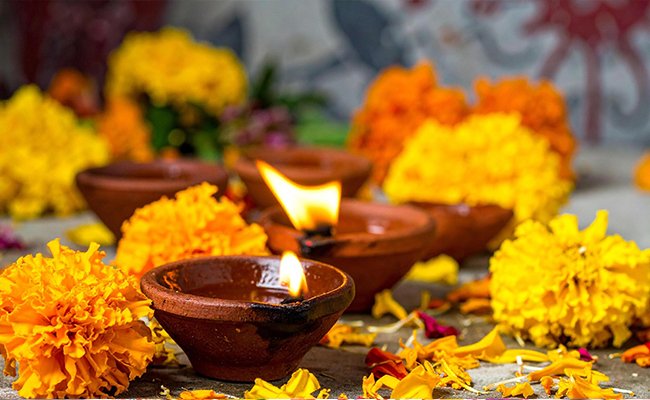
Bright Orange & Yellow Symbolise
- Purity
- Positive energy
- The Sun, Surya, as a source of life
- Prosperity and abundance
These colours are associated with sacred energy. Orange reflects spiritual awakening. Yellow represents learning and wisdom.
Often Offered in Temples
Marigolds are commonly offered to Goddess Lakshmi, symbol of wealth and prosperity, and Lord Ganesha, remover of obstacles. Many devotees reflect on why marigold is offered to God during pooja rituals. The reason is simple. The flower’s bright aura and durability symbolise unwavering faith.
The role of marigold in Pooja is therefore deeply symbolic. It is placed at the feet of deities, woven into garlands and arranged around idols to invite divine blessings.
This explains the spiritual meaning of the marigold flower as a bridge between devotion and celebration.
The Science Behind Marigolds in Festivals
Now here’s something interesting. Tradition meets practicality.
There are solid scientific reasons why marigolds are preferred during large gatherings and festivals:
- Natural pest repellent properties
- Strong fragrance that keeps insects away
- Long lasting compared to delicate flowers
- Easily available and budget friendly
- Bloom in abundance during festive seasons
When families gather outdoors or ceremonies run for hours, durability matters. This practical side strengthens the importance of marigolds in Hindu rituals, especially in warm climates.
Marigolds in Indian Weddings
Walk into an Indian wedding and marigolds greet you instantly.
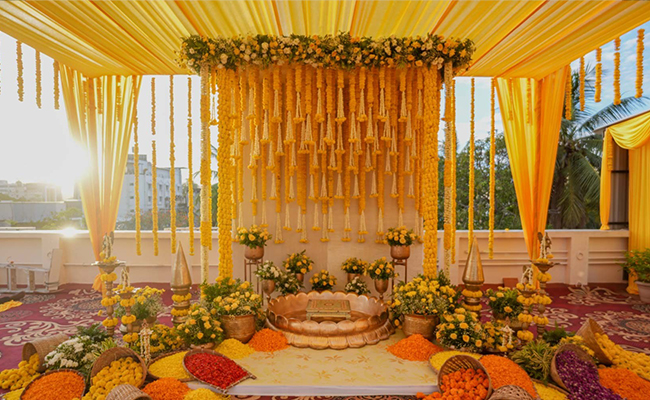
- Mandap decoration
- Garlands exchanged as varmala
- Floral backdrops for ceremonies
- Entrance Torans welcoming guests
What They Symbolise in Marriage
- Commitment between two people
- A bright future ahead
- Prosperity and growth in married life
Their golden hue mirrors the idea of a hopeful, radiant beginning. Weddings are about building something lasting. Marigolds reflect that sentiment beautifully.
Also Read – How ‘Orchid Meanings’ Are Driving Flower Gifting Trends Worldwide
Why Marigolds Are Economically Important in India
Festivals do not just uplift spirits. They move economies.
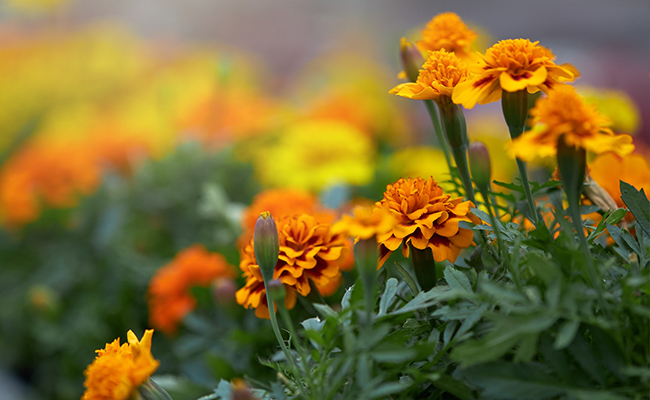
Marigolds are cultivated widely across Indian states such as Karnataka, Tamil Nadu, West Bengal and Maharashtra. During peak festive months, demand rises sharply.
- Supports thousands of local farmers
- Creates seasonal employment
- Fuels supply chains around major celebrations
- Ensures steady income during high demand periods
When discussing why marigold is used in Indian festivals, economic accessibility plays a major role. They are affordable yet impactful, making them inclusive for households across income groups.
Modern-Day Use of Marigolds in Contemporary decor
Tradition has evolved, but marigolds have stayed.
Today, designers experiment with:
- Marigold and fairy light combinations
- Floral rangoli patterns
- Large scale luxury marigold installations
- Fusion decor themes mixing classic and modern styles
They also appear in curated gifting ideas, from festive hampers to decor bundles. A thoughtfully arranged Yellow Flower Bouquet inspired by marigolds brings that same festive warmth into modern homes.
Even when ordering Fresh Flowers Online for celebrations or choosing Anniversary Flowers for a meaningful moment, marigold inspired tones continue to dominate festive styling.
Interesting Facts About Marigolds
Here are a few lesser known details:
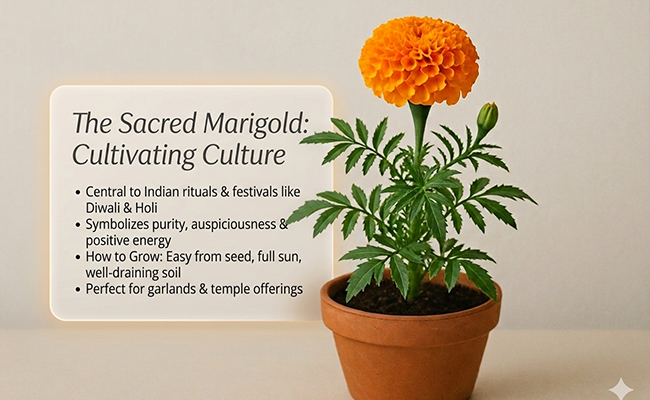
- Called Genda in Hindi
- Used in Ayurvedic remedies for skin and healing
- Some varieties are edible
- Known as the Herb of the Sun
These facts further reinforce their cultural strength and relevance.
Marigolds are not just decorative flowers. They represent India’s warmth, devotion and joy.
They hang above doorways welcoming prosperity. They rest at the feet of deities during prayer. They frame wedding vows and festival lights. Generations have grown up seeing their golden petals at life’s most meaningful moments.
Tradition, science and symbolism together explain their dominance. Their colour reflects faith. Their fragrance serves a purpose. Their abundance supports livelihoods.
The next time you see a string of marigolds swaying gently at a celebration, you are not just looking at flowers. You are witnessing a living symbol of India’s spirit, carried forward year after year in bright shades of gold.
