
Flowers have always been a symbol of beauty, nature, and love, but did you know that the meaning behind different flower colors is just as important? Each hue carries its own emotions, messages, and significance, playing a role in how we communicate without words.
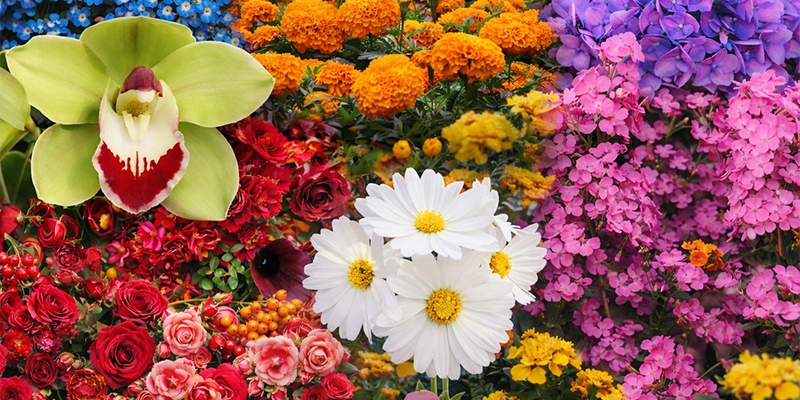
Understanding flower color meaning can help us choose the perfect blooms for any occasion, whether it’s love, sympathy, or celebration.
Flower Color Psychology: The Unspoken Language of Colors
When it comes to flowers, colors hold a significant place in flower colors and their meanings. From the vibrant reds of love to the peaceful purples of spirituality, the colors we choose convey emotions that words often can’t express. Let’s dive into some common colors and their symbolism of flower colors.
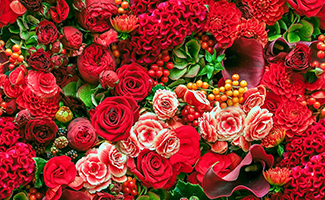
Red: Passion and Love
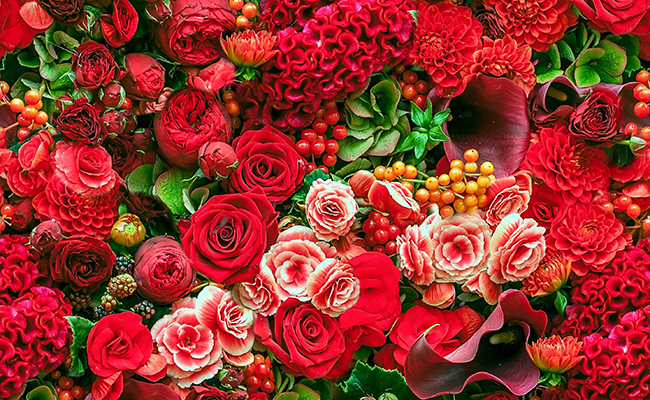
Red flowers are often associated with intense emotions like love, passion, and desire. A red roses bouquet is the ultimate romantic gesture, symbolising deep love and affection. The deep red shade evokes feelings of warmth and connection, making it the perfect choice for an anniversary or a Valentine’s gift.
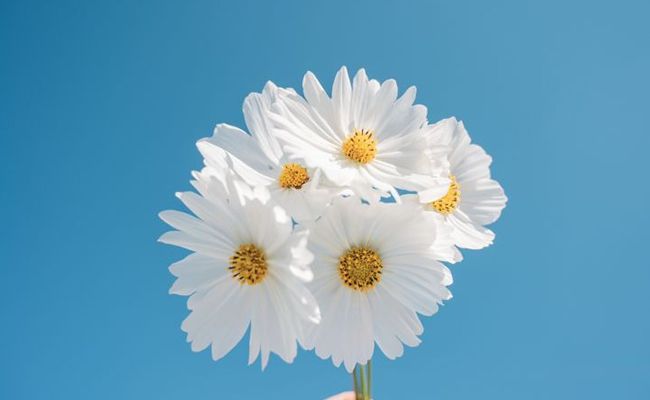
White: Purity and Innocence
White flowers, like lilies and roses, are often used in weddings and ceremonies where purity and new beginnings are celebrated. They represent peace, simplicity, and innocence. When sending sympathy flowers online, white flowers can convey a sense of tranquillity and remembrance.
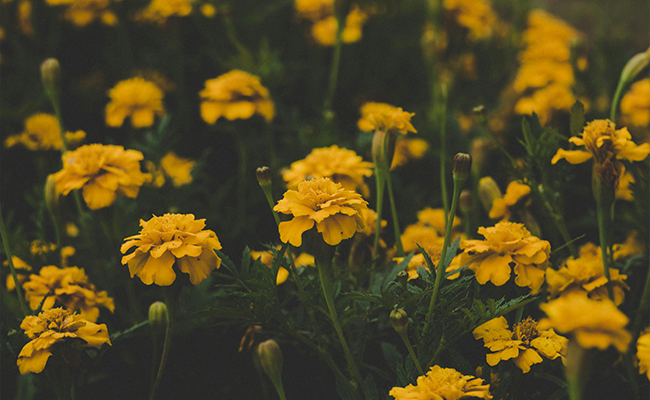
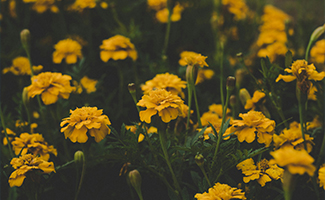
Yellow: Friendship and Joy
Yellow flowers, such as sunflowers and daisies, are bright, cheerful, and full of life. They symbolize friendship, happiness, and optimism. A birthday flower bouquet in yellow is a thoughtful way to wish someone a happy and joyful year ahead.
Pink: Gratitude and Grace
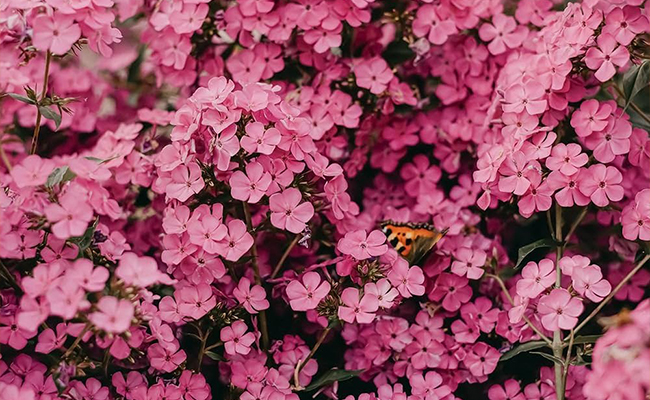
Pink flowers convey feelings of appreciation, gratitude, and grace. They are often given as a gesture of thanks or to celebrate a special occasion. The softness of pink reflects sweetness and admiration, making it a great choice for expressing admiration in a purple orchid bouquet.
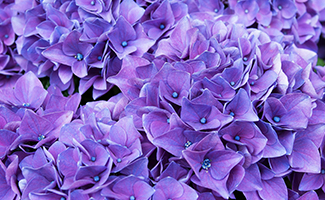
Purple: Royalty and Spirituality
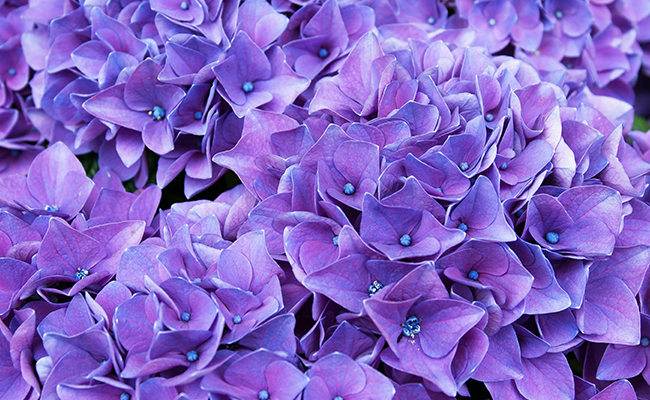
Purple flowers, often seen in orchids or lavenders, represent luxury, royalty, and spiritual growth. They are also associated with creativity and calm. If you want to send flowers with a touch of elegance, consider a purple orchid bouquet, which speaks volumes of sophistication and reverence.
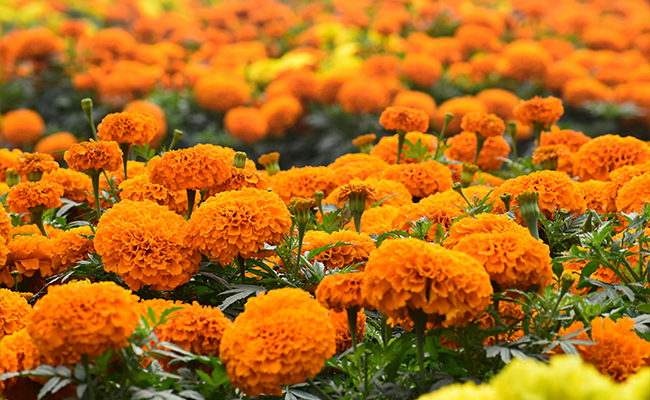
Orange: Energy and Enthusiasm
Orange flowers are vibrant and full of energy. They symbolize enthusiasm, warmth, and excitement. Whether for a celebratory occasion or to brighten someone’s day, orange flowers express a lively and dynamic energy that is impossible to ignore.
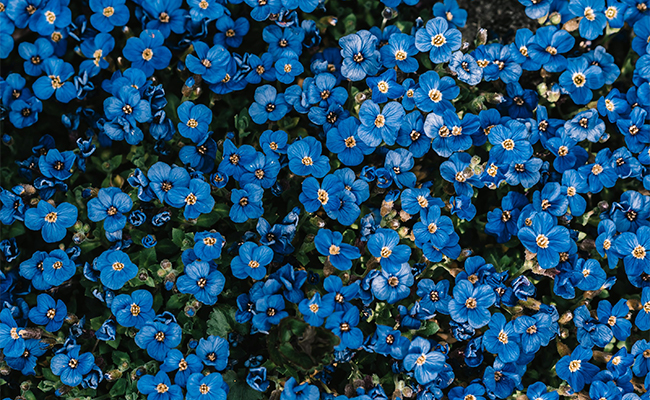
Blue: Serenity and Calm
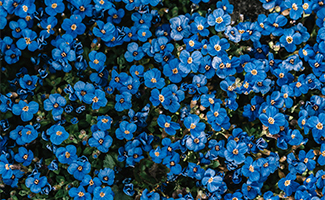
Blue flowers, such as delphiniums and forget-me-nots, represent serenity, calmness, and trust. They are often associated with peace and a sense of tranquillity. A calm blue bloom is a lovely way to share your peace of mind with someone close.
Green: Harmony and Fertility
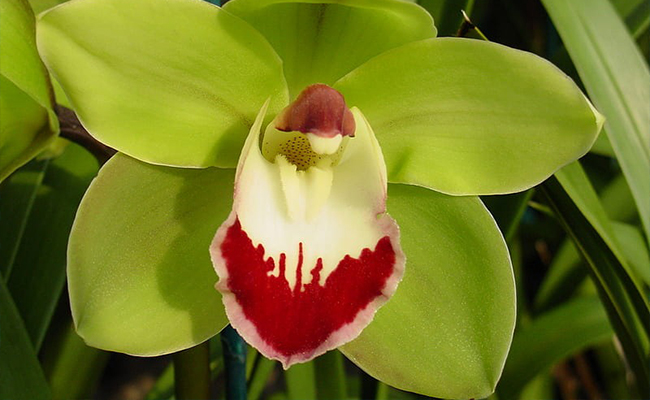
Green is the color of nature, harmony, and balance. Green flowers, though rare, symbolize renewal and growth. They are often linked to prosperity and a fresh start, making them ideal for planting or housewarming gifts.
What Do Flower Colors Symbolize?
The psychology behind flower color psychology shows that different hues are rooted in cultural and emotional significance. Whether it’s celebrating a new relationship or offering condolences, knowing what do flower colors symbolize can guide you in choosing the perfect blooms for any occasion.
Colors are much more than mere appearances; they are an unspoken language that can convey a multitude of emotions. Each color is a powerful tool in expressing feelings, intentions, and messages. When selecting flowers, it’s important to consider their meanings, ensuring that they reflect the sentiment you wish to convey, whether through joyous celebrations or solemn moments.
And when you’re done with the color choice, send a bunch to your special someone with a flower delivery online service.
