
Krishna Janmashtami is one of the most joyful Hindu festivals, celebrated to mark the birth of Lord
Krishna.
Decorated Jhulas, the sound of Krishna Bhajans, tiny footprints around the house and the sweet taste of Makhan Mishri make Janmashtami feel truly special. Celebrated as the birth anniversary of Lord Krishna, the festival brings families together for prayer, fasting, festive food and joyful traditions.
If you are planning to celebrate Krishna Janmashtami 2026, here is a simple guide to the date, Puja time, meaning and popular traditions linked to the festival.
Table of Contents
When Is Krishna Janmashtami 2026?
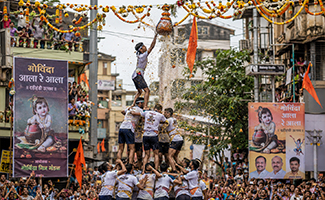
Krishna Janmashtami 2026 will be celebrated on Friday, 4 September 2026.
The festival falls on the Ashtami Tithi of Krishna Paksha in the Hindu month of Bhadrapada. Since Lord Krishna is believed to have been born at midnight, most of the main prayers and celebrations take place late at night.
Here are the important Janmashtami 2026 date and timings:
| Janmashtami 2026 Details | Date and Time |
| Janmashtami Date | 4 September 2026 |
| Day | Friday |
| Ashtami Tithi Begins | 2:25 AM on 4 September |
| Ashtami Tithi Ends | 12:13 AM on 5 September |
| Nishita Puja Time* | 11:57 PM to 12:43 AM |
| Dahi Handi** | 5 September 2026 |
* The Nishita Puja timing given here is for New Delhi. Local timings may differ, so checking your city Panchang before performing the Puja is recommended.
**Dahi Handi celebrations will take place the following day, on Saturday, 5 September 2026.
Janmashtami 2026 Puja Time
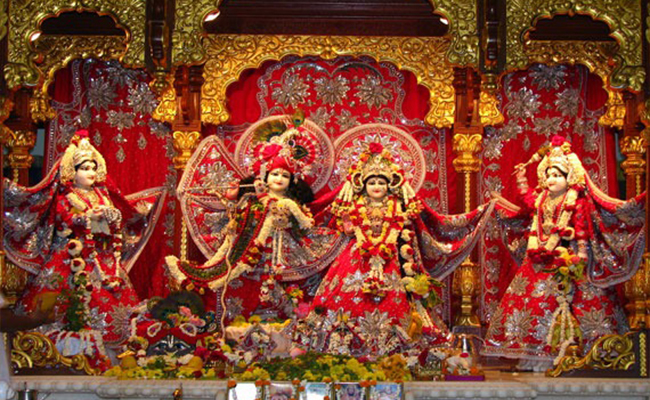
The most important Janmashtami Puja takes place around midnight during Nishita Kaal because Lord Krishna is traditionally believed to have been born at midnight.
For New Delhi, the Janmashtami 2026 Nishita Puja time is approximately 11:57 PM on 4 September to 12:43 AM on 5 September.
During the Puja, devotees bathe Laddu Gopal with Panchamrit, dress the idol, offer flowers and Bhog, sing Krishna Bhajans and perform Aarti.
Note: Puja timings can vary slightly from one city to another, so checking the local Panchang is always helpful.
Why Is Janmashtami Celebrated?
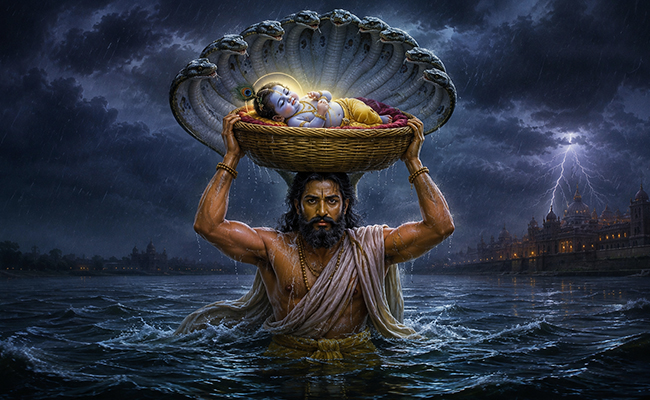
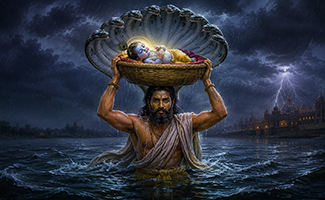
Janmashtami celebrates the birth of Lord Krishna, regarded in Hindu tradition as the eighth avatar of Lord Vishnu.
According to Hindu tradition, Krishna was born in Mathura to Devaki and Vasudeva. At the time, Mathura was ruled by King Kansa, who had been warned that Devaki’s eighth child would bring an end to his rule.
Soon after Krishna was born, Vasudeva carried him across the Yamuna River to Gokul, where he was raised by Yashoda and Nanda.
This story of Krishna’s birth is remembered every year as a symbol of hope, courage and the victory of good over evil.
What Is the Significance of Janmashtami?
The significance of Janmashtami goes beyond remembering the birth of Krishna.
Lord Krishna’s life encourages people to follow the path of Dharma, perform their duties sincerely and remain steady during difficult times.
His teachings in the Bhagavad Gita continue to inspire ideas of devotion, courage, compassion and selfless action.
For many devotees, Janmashtami is also a time to pray, reflect and feel closer to Krishna.
How to Celebrate Janmashtami at Home
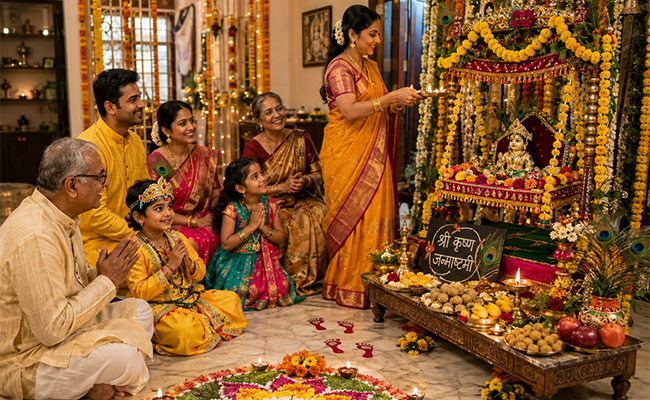
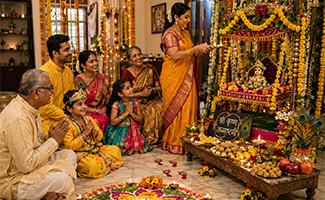
Janmashtami celebrations at home can be simple and meaningful.
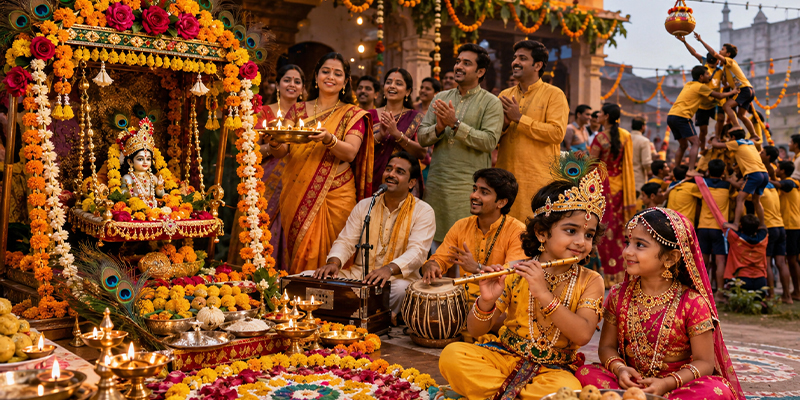
Many families decorate a small Jhula for Laddu Gopal and create tiny Krishna footprints leading towards the Puja area. Flowers, lights and Rangoli are also commonly used to decorate the home.
At night, devotees bathe and dress the idol of Laddu Gopal, offer Bhog and perform Aarti around midnight.
Families may also sing Krishna Bhajans, read stories from his childhood and dress young children as Krishna or Radha.
What Is Offered to Krishna on Janmashtami?
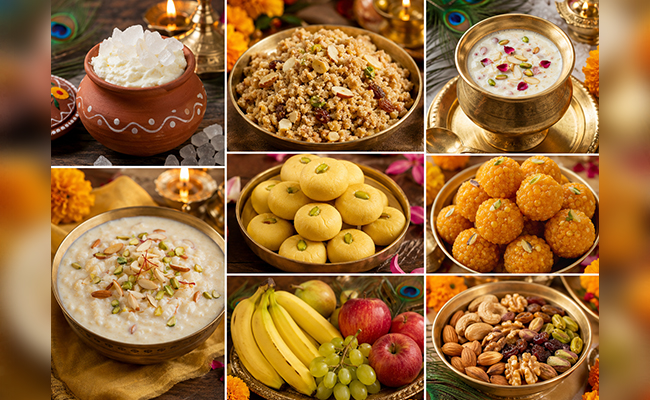
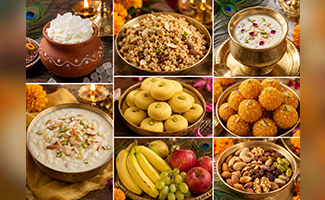
Food plays an important role in Janmashtami celebrations.
Krishna is lovingly associated with butter and milk-based foods, so traditional Janmashtami Bhog often includes:
- Makhan Mishri
- Panchamrit
- Panjiri
- Kheer
- Fruits
- Dry fruits
- Milk-based sweets
Tulsi leaves are also commonly offered during the puja.
After the prayers, the Bhog is shared with family members as prasad.
Janmashtami Fasting Traditions
Many devotees observe a Janmashtami fast or Vrat as part of their worship.
Some keep a strict Nirjala fast, while others follow a Phalahar Vrat and eat fruits, milk, dry fruits and vrat-friendly dishes.
Grains such as rice and wheat are generally avoided in traditional fasting practices.
The fast is usually broken after the midnight Puja or according to the family’s religious tradition.
Since fasting practices can differ, there is no need for every household to follow exactly the same method.
Popular Janmashtami Celebrations and Traditions
Janmashtami is celebrated with a mix of devotion, music, food and lively traditions.
In Mathura and Vrindavan, temples are decorated beautifully while devotees gather for Bhajans, Jhankis, Aarti and midnight Krishna Janmotsav celebrations.
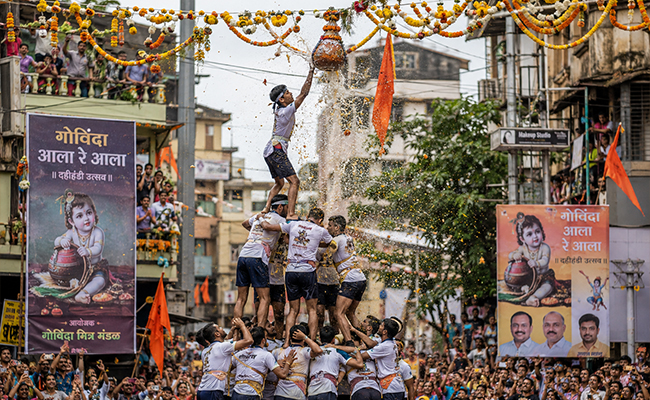
In Maharashtra, the festival is closely associated with Dahi Handi. Groups of Govindas form human pyramids to reach and break an earthen pot hung high above the ground. The tradition takes inspiration from stories of young Krishna stealing butter with his friends.
At home, families decorate Krishna’s Jhula, prepare Bhog, create tiny Krishna footprints and dress children as Radha or Krishna. Many also visit temples, sing Bhajans and perform midnight aarti together.
A Festival Filled With Joy and Devotion
Krishna Janmashtami brings together faith, family and celebration. Some people observe it with fast and midnight prayers, while others enjoy temple visits, Dahi Handi and festive food.
However it is celebrated, the heart of Janmashtami remains simple: remembering Lord Krishna, sharing joyful moments with loved ones and welcoming the festival with devotion.
