

India’s relationship with nature has always gone beyond simple admiration. Trees, flowers, herbs and even leaves have long held a place in rituals, myths and everyday spiritual practices. Many religious plants of India are linked with particular deities, festivals or beliefs, which is why they are still grown in homes, temple courtyards and sacred spaces.
From Tulsi plants kept near household entrances to Peepal trees worshipped for their spiritual importance, these sacred plants in India reflect a deep connection between faith and the natural world. Some are offered during puja, some are associated with prosperity, and others are respected for their symbolic connection with life, purity or protection.
Table of Contents
Why Are Certain Plants Considered Sacred in India?
Plants became sacred in Indian traditions for many different reasons. Some are associated with Hindu gods and goddesses, while others appear in epics, legends and local religious customs. Their leaves, flowers, fruits and branches are often used during pujas, weddings and major festivals.
Many sacred plants in Hinduism also represent ideas such as purity, fertility, longevity and spiritual growth. Over time, these beliefs helped people treat certain plants and trees with special care.
This respect also created an interesting link between religion and conservation. When a tree is considered holy, communities are more likely to protect it, allow it to grow for generations and preserve the traditions connected with it.
Most Important Religious Plants of India
India is home to many plants that carry deep spiritual meaning, with each linked to distinct deities, rituals, beliefs, and cultural traditions. Here are those:
Tulsi: The Sacred Plant Found in Indian Homes
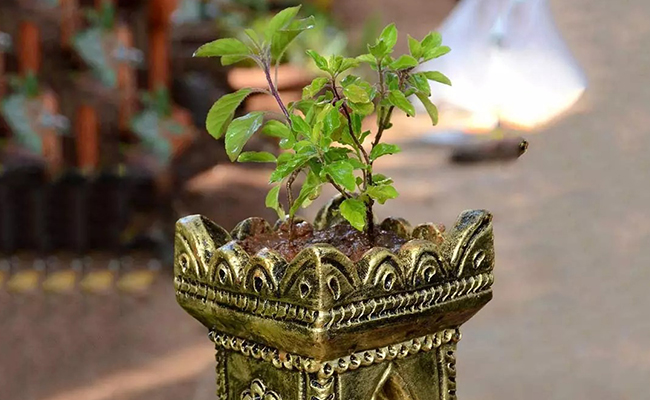
Tulsi, also known as Holy Basil, is among the most recognisable religious plants for home. It is commonly grown in courtyards, balconies and dedicated Tulsi planters in Hindu households.
The plant is closely associated with Lord Vishnu and is regarded as a symbol of purity and devotion. Tulsi leaves are often used during prayers and religious offerings.
Tulsi Vivah, a Hindu ceremony that marks the symbolic marriage of Tulsi with Lord Vishnu or Shaligram, further highlights its importance. Beyond religious practices, the Tulsi plant has also been valued in traditional Indian wellness systems for generations.
Peepal Tree: A Symbol of Life and Spirituality

The Peepal tree holds an important position among sacred trees in India. Also known as the sacred fig, it is commonly found near temples, shrines and old settlements.
In Hindu traditions, the tree is associated with several deities and is often worshipped by devotees. People may walk around the tree, light lamps nearby or offer water as part of religious practices.
The Peepal tree also holds great significance in Buddhism because Gautama Buddha is believed to have attained enlightenment beneath a Bodhi tree, which belongs to the same species.
Banyan Tree: The Tree of Longevity

With its spreading branches and aerial roots, the Banyan tree naturally gives an impression of permanence. Perhaps that is why it has become a symbol of longevity, stability and continuity in Indian culture.
The tree plays an important role in Vat Savitri traditions, during which married women pray for the long life and well-being of their husbands.
Its enormous canopy also represents shelter and endurance. A mature Banyan can survive for generations, making it one of the most striking sacred trees in Hinduism.
Bael Tree: Lord Shiva’s Sacred Plant
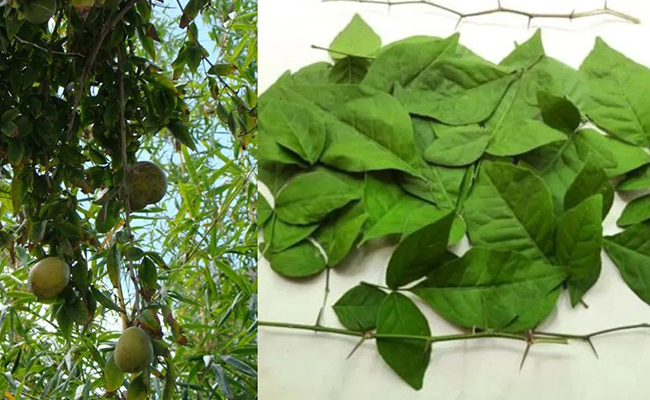
The Bael tree, also called Bilva, is strongly associated with Lord Shiva. Its three-part leaves, commonly called Bel Patra, are frequently offered during Shiva worship.
The trifoliate shape carries several symbolic interpretations in Hindu belief and is an important part of prayers, especially during Maha Shivaratri.
Devotees often place Bilva leaves on the Shiva Lingam as an offering. Because of this connection, the Bael tree holds a distinct place among plants associated with Lord Shiva.
Lotus: The Flower of Purity
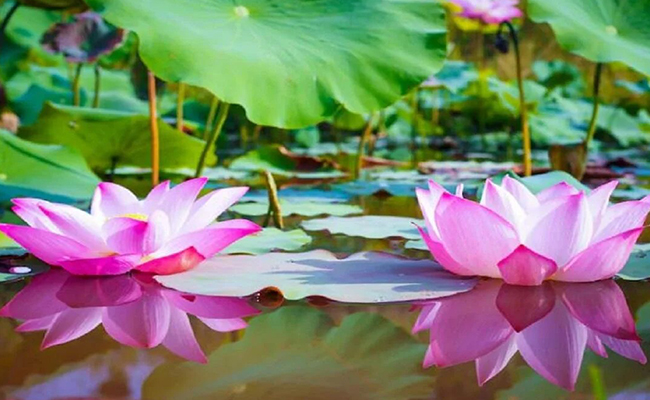
The lotus is one of the most recognised religious flowers in India. Despite growing in muddy water, it rises above the surface with clean, striking petals. This quality has made it a powerful symbol of purity and spiritual awakening.
The lotus is closely associated with Goddess Lakshmi, who is often depicted standing or sitting on the flower. It also appears in representations of other Hindu deities.
Beyond worship, lotus imagery can be found throughout Indian temple art, architecture, paintings and religious symbolism.
Banana Plant: An Auspicious Part of Hindu Rituals
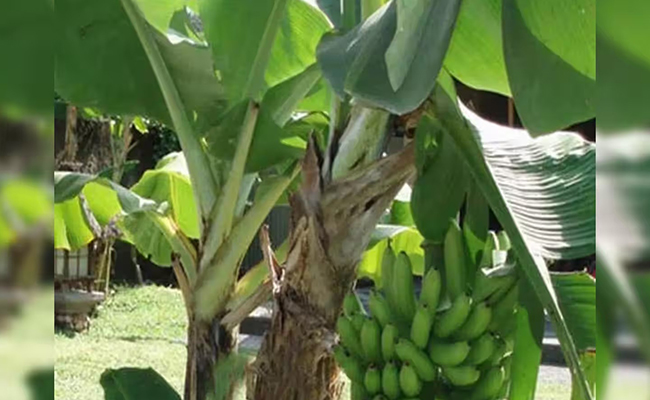
The Banana plant is closely connected with religious ceremonies and auspicious occasions. Its leaves are widely used during traditional meals, pujas and festive gatherings.
Banana plants may also be placed near entrances during weddings and religious ceremonies as symbols of prosperity and good fortune.
The fruit is commonly presented as an offering, making the Banana plant one of the most familiar plants used in puja and household rituals.
Neem: Sacredness Meets Traditional Wisdom
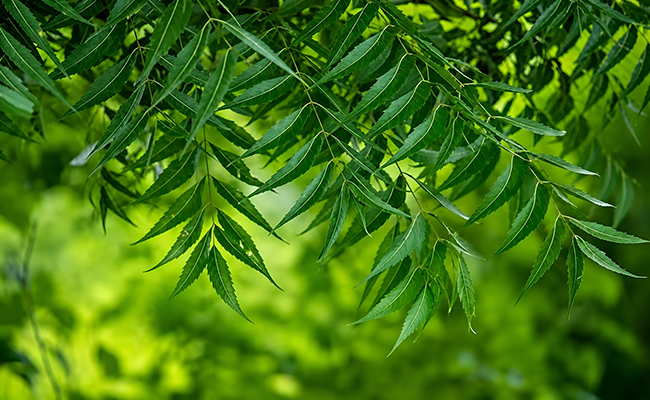
Neem has been valued in India for both cultural and practical reasons. It is traditionally associated with cleansing, protection and well-being.
Neem leaves are used in several regional rituals and customs, especially during seasonal festivals. In some traditions, this holy tree in India is also connected with protective deities.
Its long-standing role in Indian households makes Neem an interesting example of how spiritual beliefs and traditional knowledge can exist side by side.
Ashoka and Kadamba: Trees Rooted in Indian Mythology
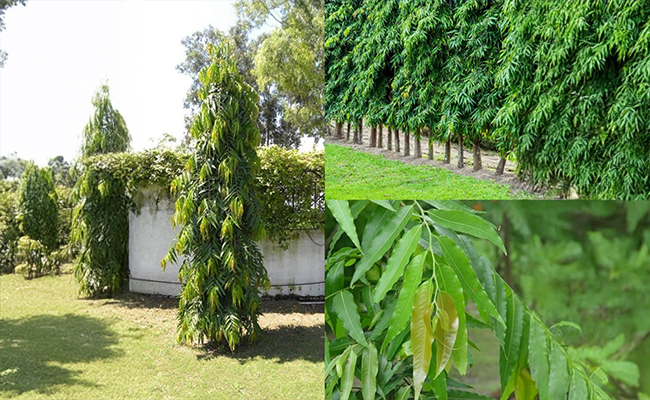
The Ashoka tree appears in Indian mythology and is especially remembered through its connection with the Ramayana. The famous Ashoka Vatika is associated with the period when Sita was held in Lanka.
The Kadamba tree, meanwhile, is closely linked with Lord Krishna. Traditional stories often describe Krishna playing the flute or spending time beneath Kadamba trees.
Both trees show how plants can become part of cultural memory through stories passed down across generations.
How Sacred Plants Continue to Shape Indian Traditions
Religious plants used in rituals and festivals are not limited to ancient scriptures or old temple traditions. They continue to appear in modern Indian homes, festivals, weddings and rituals.
Tulsi is still grown in courtyards, flowers are offered to deities, Banana leaves are used during ceremonies and those Indian sacred trees are protected near temples. Even in crowded cities, it is common to find old Peepal or Banyan trees surrounded by small shrines.
These practices show how sacred plants and Indian culture remain closely connected. Religious respect has also helped preserve certain trees and plant species over long periods.
Sacred Plants as a Connection Between Faith and Nature
The sacred plants of India tell a larger story about how people understand nature. A leaf can become an offering, a tree can represent longevity and a flower can symbolise spiritual purity.
From Tulsi and Peepal to Bael, Banyan and Lotus, these sacred plants in India continue to connect mythology, ritual and everyday life. Their importance shows that faith in India has often grown alongside nature, with roots that are both cultural and spiritual.
