
Chinese culture is rich and diverse, and one aspect that beautifully reflects this diversity is the significance of flowers. In Chinese tradition, flowers have a deep symbolism and meaning, often representing various virtues, emotions, and seasons. Join us on this journey through the enchanting world of 20+ traditional Chinese flowers and discover the profound significance each one carries. Whether you’re a flower enthusiast, planning a meaningful gift, or just curious about Chinese culture, this read is bound to captivate your senses.


Table of Contents
Peony (牡丹 – Mǔdān)


Symbolizes: Wealth, honor, and prosperity.
Significance: Often called the “King of Flowers,” the peony is highly revered in Chinese culture and symbolizes good fortune and a prosperous life.
Lotus (莲花 – Liánhuā)

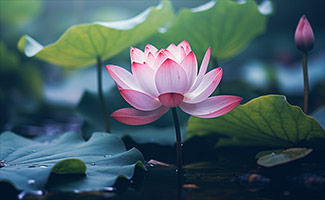
Symbolizes: Purity, enlightenment, and rebirth.
Significance: The lotus is a symbol of purity that emerges from the mud, representing the journey from darkness to enlightenment.
Chrysanthemum (菊花 – Júhuā)


Symbolizes: Longevity and immortality.
Significance: Chrysanthemums are associated with autumn and are often used as a symbol of longevity and immortality.
Plum Blossom (梅花 – Méihuā)


Symbolizes: Resilience and hope.
Significance: Plum blossoms brave the cold winter, symbolizing the spirit of resilience and hope during challenging times.
Orchid (兰花 – Lánhuā)


Symbolizes: Elegance and grace.
Significance: Orchids are a symbol of refinement and elegance, representing the embodiment of human virtue.
Lily (百合 – Bǎihé)


Symbolizes: Purity and motherhood.
Significance: Lilies represent purity and motherhood, often used in traditional Chinese weddings to symbolize a harmonious union.
Camellia (山茶花 – Shāncháhuā)


Symbolizes: Faithfulness and longevity.
Significance: Camellias are associated with love and faithfulness and are often gifted to express romantic feelings.
Peach Blossom (桃花 – Táohuā)


Symbolizes: Love and romance.
Significance: Peach blossoms symbolize love and romance and are believed to bring happiness to couples.
Red Spider Lily (彼岸花 – Bǐ’àn huā)


Symbolizes: Transcendence and remembrance.
Significance: Red spider lilies are often planted near graves to guide the souls of the deceased and are also associated with resurrection.
Bamboo (竹子 – Zhúzi)


Symbolizes: Flexibility and strength.
Significance: Bamboo symbolizes strength through flexibility and is highly regarded for its resilience in Chinese culture.
Sunflower (向日葵 – Xiàngrìkuí)


Symbolizes: Adoration and loyalty.
Significance: Sunflowers represent adoration and loyalty, often given as a token of appreciation.
Azalea (杜鹃花 – Dùjuānhuā)


Symbolizes: Womanhood and softness.
Significance: Azaleas are associated with femininity and softness and are often linked to young women.
Jasmine (茉莉花 – Mòlìhuā)


Symbolizes: Grace and elegance.
Significance: Jasmine is renowned for its fragrance and symbolizes grace and elegance, making it a popular choice for tea.
Pomegranate Flower (石榴花 – Shíliúhuā)


Symbolizes: Fertility and posterity.
Significance: Pomegranate flowers are associated with fertility and the desire for numerous offspring.
Hibiscus (芙蓉花 – Fúróng huā)


Symbolizes: Feminine beauty and fame.
Significance: Hibiscus represents feminine charm and is often used to wish someone fame and recognition.
Chinese Hibiscus (扶桑花 – Fúsāng huā)


Symbolizes: Wealth and fame.
Significance: The Chinese hibiscus is believed to bring wealth and fame, making it a popular choice for celebrations.
Carnation (康乃馨 – Kāngnǎixīn)


Symbolizes: Affection and admiration.
Significance: Carnations convey love and admiration and are often given as tokens of affection.
Mimosa (含羞草 – Hánxiūcǎo)


Symbolizes: Sensitivity and modesty.
Significance: The mimosa symbolizes sensitivity and modesty and is a favorite choice for expressing one’s tender feelings.
Oriental Cherry (樱花 – Yīnghuā)


Symbolizes: Renewal and hope.
Significance: Oriental cherry blossoms are celebrated for their fleeting beauty, symbolizing renewal and hope for the future.
Lavender (薰衣草 – Xūnyīcǎo)


Symbolizes: Peace and tranquility.
Significance: Lavender represents peace and tranquility and is often used to create a calming atmosphere.
A World Beyond Petals and Leaves
The world of traditional Chinese flowers is a kaleidoscope of meanings, reflecting the depth and diversity of Chinese culture. From the resilient plum blossom to the elegant orchid, each flower tells a story, carries a wish, or encapsulates a part of history.
Next time you pass by a florist or spot a Chinese flower, remember, that you’re not just looking at a plant; you’re witnessing a centuries-old tale of beauty, resilience, and symbolism. So why not bring a piece of this tradition home?
Check out Fresh Flowers Online for a bouquet of cultural heritage and blooming stories!
a
