
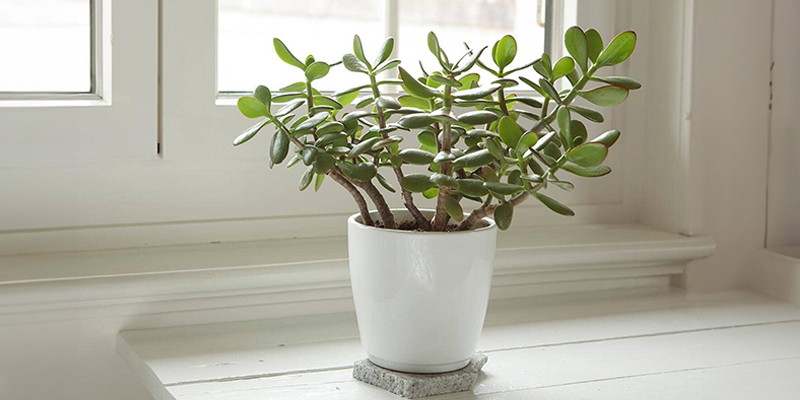
The beauty of jade plants (Crassula ovata) can’t be described in a few words. What makes them stand out is their tree-like appearance, glossy leaves and cultural symbolism. Not only are they low-maintenance in nature, they are also magnets of good luck. No wonder they are so commonly found in households worldwide. So, it makes complete sense to bring a jade plant home if you haven’t already. Don’t worry, caring for it won’t be a hassle, as we are here to help you with this plant guide.
Origins of Jade plant (Crassula ovata)
South Africa, particularly the Eastern Cape and KwaZulu-Natal, is where the jade plant originated. Colonial trade brought to different parts of the world. It was and still is highly revered in Asian culture, especially in China. As per Feng Shui, it is considered a symbol of both longevity and wealth.
Benefits of Jade Plants
Jade plants offer numerous benefits that support your overall well-being. Having this green beauty in your space can unlock healthier and happier living. They purify the air by absorbing volatile organic compounds and alleviate dryness by increasing humidity levels. Caring for them is highly therapeutic, which results in reduced stress and a sense of calmness.
They are also a budget-friendly way to upgrade your space and bring nature indoors. But the most significant benefit of jade plants is that they attract positive energy and good luck into your home. On top of that, they are incredibly easy to maintain! It is truly a wonder how one plant can have so many amazing qualities.
Now that we have explored the benefits of Crassula plant, let’s move on to the other important details.
Types of Jade Plants
Besides the standard type, you might not be familiar with other jade plant varieties. This is all you need to know:
- Crassula ovata (classic Jade Plant): The characteristics include thick, woody stems and glossy, oval-shaped green leaves. When exposed to sufficient sunlight, these plants develop a reddish edge on their leaves.
- Crassula ovata ‘Gollum’ (Gollum Jade): Their leaves mirror the appearance of trumpets, as they are tubular, almost like little fingers. The leaves also have a reddish tint, but at the tips.
- Crassula ovata ‘Hobbit’ (Hobbit Jade): As the name explains, these plants have spoon-shaped leaves that curl inwards, resembling a hobbit’s toes. This shape is what makes them different from Gollum Jade plants.
- Crassula ovata ‘Variegata’ (Variegated Jade): You can spot these even from a distance as their green leaves have creamy white and pale yellow stripes. This marbled look is what makes them so stunning.
- Crassula ovata ‘Hummel’s Sunset’ (Golden Jade): The name perfectly captures the essence of these plants, as their leaves bear streaks of cream, yellow, and red. They are even more vibrant and dazzling under the sunlight.
This information must have given you some valuable insights into the different types of jade plants. Keep this in mind when shopping, so that you can select the jade plant that matches your aesthetic.
What You Must Know About Growing A Jade Plant
If you have no idea about how to grow jade plants, here’s your guide to get started:
- Growth patterns: The growth rate of jade plants is generally slow, but they can eventually reach heights of 3 to 6 feet. A bushy shape, maintained by regular pruning, helps their growth. So, it is best to use wide and sturdy pots to support them as they become top-heavy.
- Indoor vs outdoor growth: It is easier to grow Jade plants indoors as they can’t tolerate frost. But if you decide to grow them outdoors, then make sure to bring them inside once the temperatures drop below 10°C. In the summer, keep them in partial shade to prevent leaf burn.
- Longevity: Jade plants are popular for being resilient, so you won’t be surprised to know that they can last for years and years. If grown in optimal conditions, they can even become a permanent addition to your garden or home.
Jade Plant Propagation
The word ‘propagation’ might sound intimidating, but that’s not the case when it comes to jade plants. In fact, the process is pretty easy, achievable by even beginners. Here’s how to propagate a jade plant:
- Propagating from Leaf Cuttings: Pluck a healthy leaf from the stem with its base intact. Let it dry in a warm place until a callus forms at the cut end, and then lay it on a well-draining soil mix. When kept in bright but indirect light, it will grow a new plantlet.
- Propagating from Stem Cuttings: The quickest and most commonly used way is to cut a 3- to 4-inch stem just below a leaf node using a clean and sharp tool. The next few steps are the same as above, including drying and planting the callused end in well-draining soil.
- Propagating by Division of Offsets/Pups: A large jade plant can also be used for propagation. Separate a smaller section (it should have its own root system) from the plant, let it form a callus and then repot it for new growth.
- Rooting in Soil vs. Water: Don’t propagate leaves in water because they will most likely rot. On the other hand, stem cuttings can grow quickly in water but often struggle after being potted. So, soil is generally a better option, as it yields stronger roots.
How to Take Care of a Jade Plant
Caring for a jade plant is relatively stress-free. Even busy professionals can keep this leafy companion alive. Here’s how:
- Light: Start by keeping your jade plant in bright but indirect sunlight for at least 4-6 hours daily. As it matures, expose it to stronger light for reddish leaf edges. But this should be done gradually to avoid scorching the plant. Also, inadequate light will result in thin stems that can’t support bushy growth on top.
- Water: ‘Less is more’ is truly what you should practise. To prevent root rot, water your jade plant only when the topsoil feels dry to the touch. The pot used should also ensure proper drainage so that the plant doesn’t sit in excess water.
- Fertiliser: A succulent fertiliser is the best option for feeding your jade plant. However, you should apply it only once a month during the summer and spring, which are the growing seasons. This is not needed during the fall or winter months.
- Pruning & Training: Regular pruning and trimming are a must, but don’t go overboard all at once. Make sure to use clean and sharp shears or scissors. A bushier and compact growth at the top will surely promote branching.
- Pot & Container Care: Don’t underestimate the importance of choosing the right container for your jade plant. You should opt for a sturdy pot, made from terracotta or clay. It should have drainage holes and be heavy enough to prevent tipping over. Use succulent-specific potting mix and repot the plant every 2-4 years.
Common Problems & Solutions
Even if you know how to take care of a jade plant, mistakes can still occur. And sometimes plants show signs of decline despite all your best efforts. Don’t panic in that situation, and make use of this information.
- Yellowing Leaves: Overwatering, insufficient light or nutrient deficiency can cause this. So, try reducing the watering frequency or moving your pot to a brighter location.
- Leaf Drop: This is most likely due to watering issues. You have to avoid both overwatering and underwatering. Checking for soil dryness is one very good way to do that. Also, check if the plant is being subjected to sudden temperature changes.
- Shrivelled Leaves: Wrinkled leaves are a classic case of underwatering. So, water it well if extremely dry soil is the culprit. Another reason could be root rot, as it prevents adequate water absorption.
- Powdery Mildew/Root Rot: Both are caused by poor drainage and overwatering. In the case of root rot, repotting is necessary after removing the black and mushy roots with a sterile knife. Reduce humidity to improve mildew, or spray with neem oil in mild cases.
- Pests (Mealybugs, Aphids, Spider Mites): A weak plant often attracts pests, so prevention is always better than cure. You can still resolve this in different ways. Wipe the plant with a cotton swab dipped in rubbing alcohol (70%), knock pests off with water or use a diluted neem oil solution.
- Slow Growth: A variety of factors can cause this, ranging from low light to a small pot. So, feed the plant, move it to a brighter location or repot it in a larger container if necessary.
Jade Plant Placement Guide
To unlock the benefits of a jade plant, place it in the correct location. After all, why miss out on prosperity, health, wealth and more, right?
- Best spots at home: Place your jade plant near a south- or west-facing window for optimal lighting. Your work desk is also a good option to boost concentration and productivity. Or keep it in your living room to add a touch of nature.
- Feng Shui: If you want to improve your career prospects, choose the southeast corner. Place it in the east corner for harmony and health. It will promote positive energy when kept near the entrance.
- Bedroom Caution: In some interpretations of Vastu and Feng Shui, it is not recommended to keep a jade plant in your bedroom as it can disturb sleep and mental peace. But you can navigate this by opting for a smaller plant and not keeping it directly by your bedside.
Remember, haphazard placement of a jade plant is a complete waste, as you are not maximising its potential. So, once you buy plants online or from a nursery, refer to the above points to find the right home for them.
Order Jade Plants Online for Home & Gifting
By now, you must have discovered how special jade plants are. From health to wealth, they take care of everything. So, how can you not get one for your home, right? Thankfully, that’s easier than ever now with FlowerAura. There is no need to schedule one full day for visiting your local nurseries and lugging your plants back. Because we deliver these leafy companions to your doorstep.
Jade plants are also one of the best indoor plants for gifting, as they carry numerous benefits. If you’d like to surprise your friends and family with this green beauty, it is also possible. Our services extend across India, so it doesn’t matter whether they live in Mumbai, Delhi, Gurgaon, Noida, Chennai or beyond. In short, whether you want to order jade plant for gifting or for yourself, choose FlowerAura with confidence!
Frequently Asked Questions About Jade Plants
How often should I water a Jade Plant?
There is no set schedule as such. You should water it when the top 1-2 inches of the soil feels dry, as overwatering can cause many issues. But a rough estimate would be 2-3 weeks.
Can Jade Plants grow in low light?
Exposure to low light for a prolonged period can slow the growth or may cause thin stems. It might tolerate it for some time, but eventually, you will have to move it to a better place. Bright, indirect light is the way to go if you want the plant to thrive.
What is the best soil for Jade Plants?
A cactus or succulent mix is ideal. That’s because a well-draining soil will prevent root rot.
How big can a Jade Plant grow indoors?
It can grow up to 3 feet tall with the proper care and regular pruning. It may even continue growing.
Are Jade Plants lucky for homes?
Absolutely! From good luck to wealth, they attract it all! They are highly valued in Feng Shui and considered very auspicious.
Can I prune Jade Plants into a bonsai?
Yes! With some patience and proper pruning, you can definitely train it to grow into a mini tree.
Are Jade Plants safe for pets?
No! Jade plants should be kept away from pets, especially cats and dogs, if ingested. Upon ingestion, they can cause vomiting, lethargy, and other symptoms.
